
【Wdoodoo Weekly Cotton Report】The first week of selling and storing saw active transactions, with Zheng cotton experiencing fluctuations as it awaits new drivers
Last week, Zhengzhou cotton experienced a downward trend initially and then an upward trend, continuing to fluctuate and converge. CF09 closed at 16,005 yuan/ton, up 225 yuan/ton from the previous week; the national cotton 3128B closed at 17,345 yuan/ton, up 230 yuan/ton from the previous week. The active trading of reserve cotton in the first week provided strong support for cotton prices.
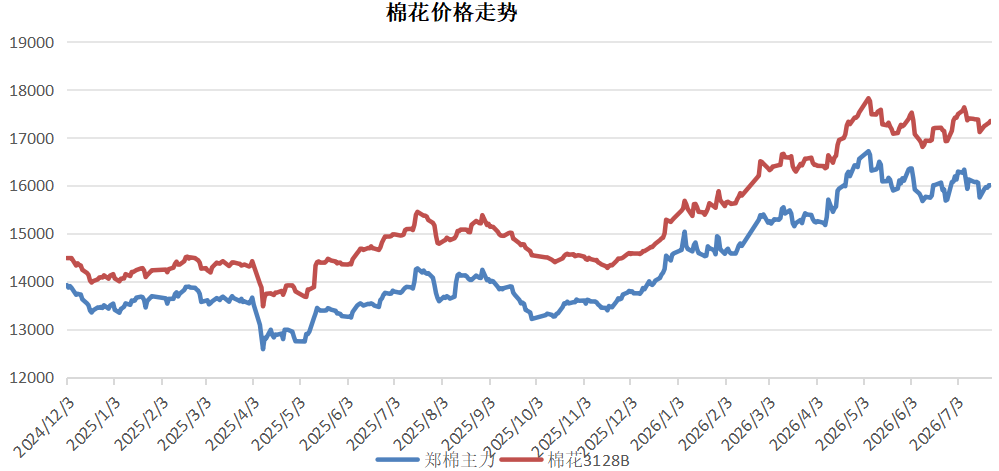
1. Macro perspective: Geopolitical risks are returning, with focus on the impact of US Treasury bond interest rates on US policies.
China has signaled policies to boost domestic demand, with the National Development and Reform Commission advancing major projects for the 14th Five-Year Plan. Infrastructure data has shown a marginal improvement, and we are eagerly awaiting the policy statements from the Politburo meeting.
Overseas risks are escalating, with the US and Iran engaging in talks amidst their ongoing conflict. Geopolitical tensions have once again driven up oil prices, raising global inflation expectations. It is anticipated that interest rate cuts and debt reduction will be the main theme in the US, while the probability of the Federal Reserve raising interest rates within the year remains low. Attention should be paid to the impact of changes in US Treasury bond interest rates on US policies.
The United States imposed a 12.5% tariff on China under Section 301, and the implementation strength did not exceed market expectations. The key observation going forward will be the negotiation and implementation pace of the reciprocal tax reduction framework for $30 billion of goods from both China and the United States.
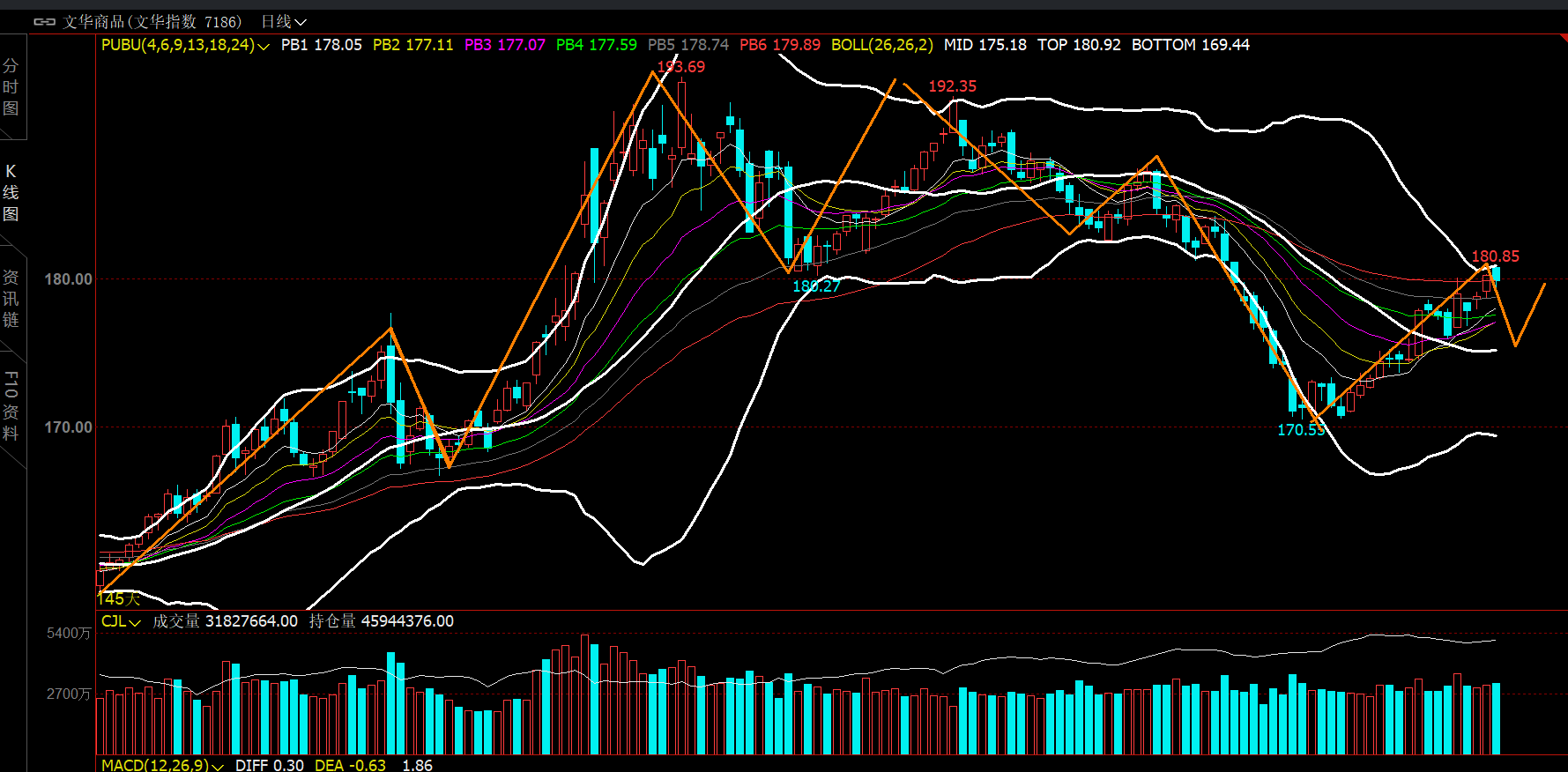
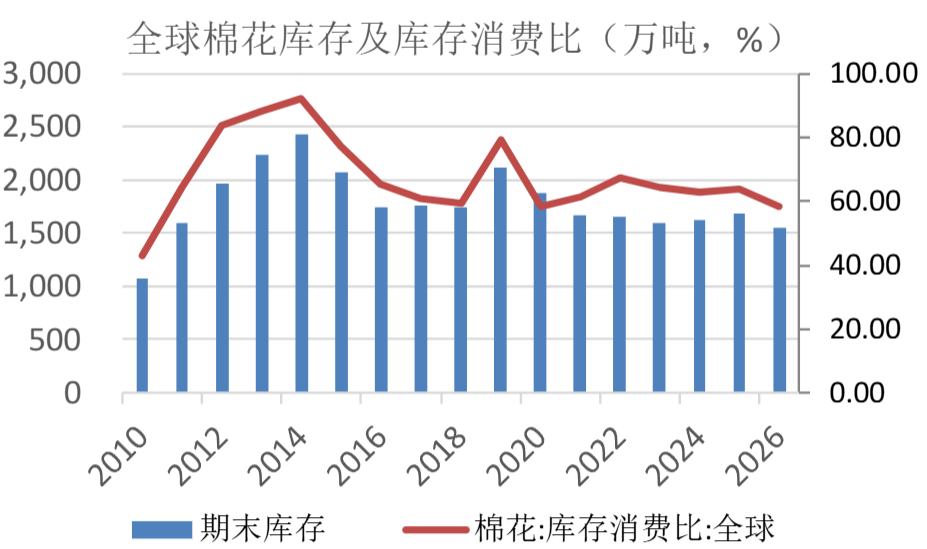
2. The global cotton stock-to-sales ratio has declined, indicating a high probability of a super strong El Niño event.
According to the USDA's July data estimates, the global production for the new season will be 25.53 million tons, consumption will be 26.55 million tons, and ending stocks will be approximately 15.507 million tons, with the stock-to-use ratio falling to a relatively low level of 58.4% in recent years.
Despite the improvement in weather conditions in the United States and India, the excellent growth rate of cotton in the 15 major cotton-growing states in the United States is 45%, which is 12 percentage points lower than the same period last year. In India, the current monsoon rains are still significantly lower than those of the same period in previous years, putting pressure on planting areas and yields.
NOAA predicts an 81% probability of a super strong El Niño from October to December, with a 97% likelihood of its continuation into early spring 2027, potentially affecting cotton production expectations in major producing countries such as China, the United States, India, Australia, and Brazil. The upward influence of weather conditions on cotton production has always been present.
3. Policy disturbances are moderate.
Domestic reserve cotton transactions have been active. From July 20th to July 24th, a total of 40,100 tons of reserve cotton resources were listed for sale, with a transaction rate of 100%. The average transaction price was 17,405 yuan/ton, equivalent to 3128 price of 18,004 yuan/ton, with an average markup of 1,713 yuan/ton. Textile enterprises are enthusiastic about price increases, providing strong support for cotton prices.
However, based on the current daily listing volume of 8,000 tons of reserve cotton, a total of 420,000 tons have been listed as of September 30. The rotation of reserve cotton effectively supplements the gap from old crops, alleviating the expectation of tight supply and demand balance, and putting upward pressure on cotton prices.
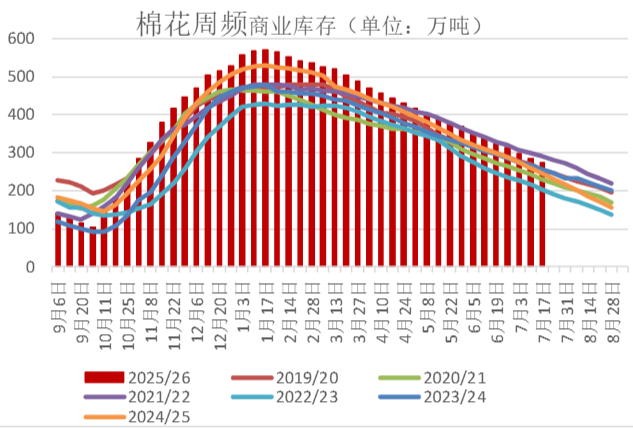
3. The textile industry continues to experience a sluggish off-season atmosphere, yet the rigid demand remains resilient
Currently, the operating rates of yarn and grey fabric production continue to decline, with finished product inventories accumulating. Medium and low-count yarn is unsalable. Textile enterprises mainly purchase at low prices, while being cautious in chasing high prices. However, with the expansion of spinning capacity in Xinjiang serving as a support, commercial inventories continue to decrease, and the market anticipates that the peak season of "Golden September and Silver October" will drive orders to rebound.
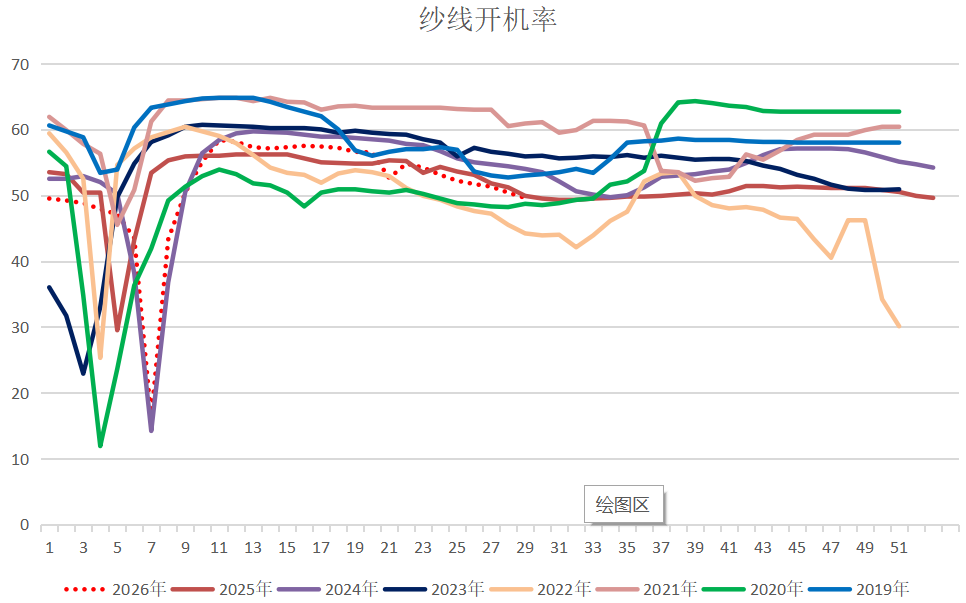
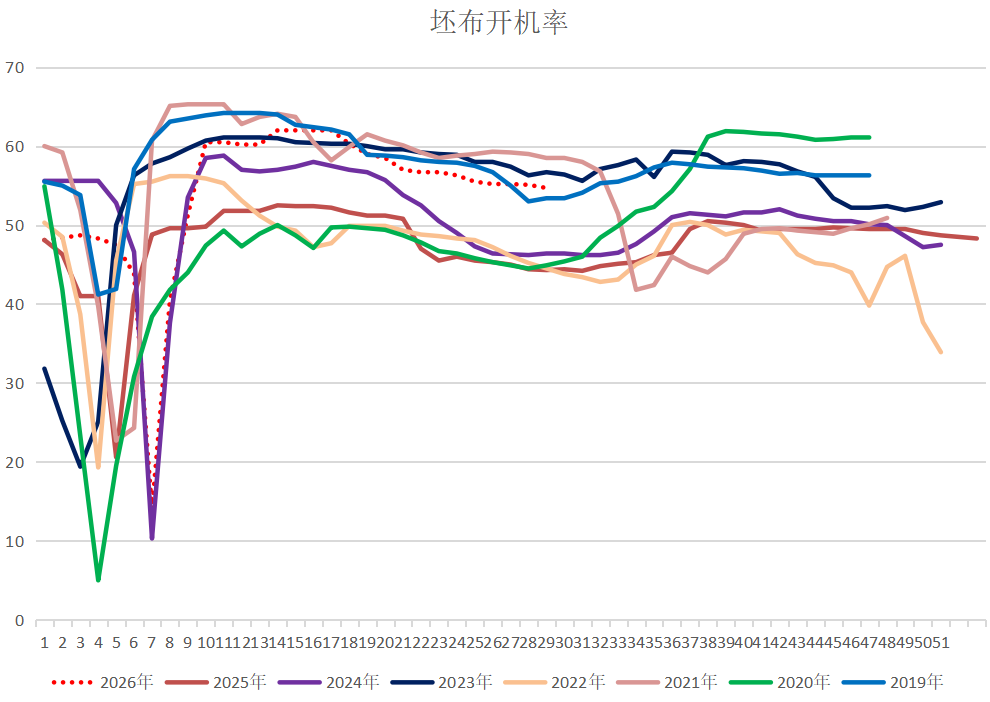
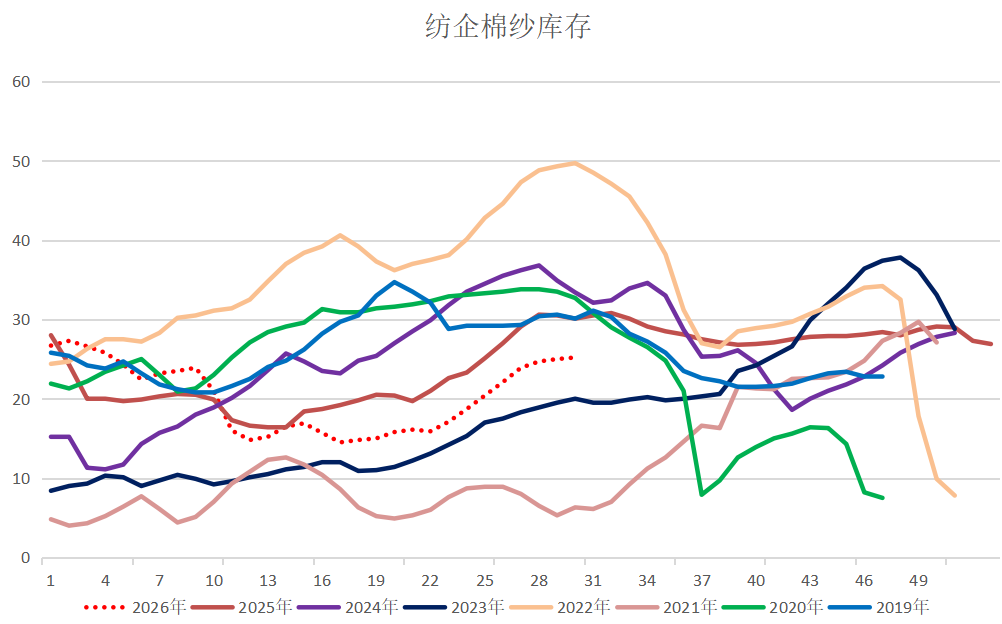
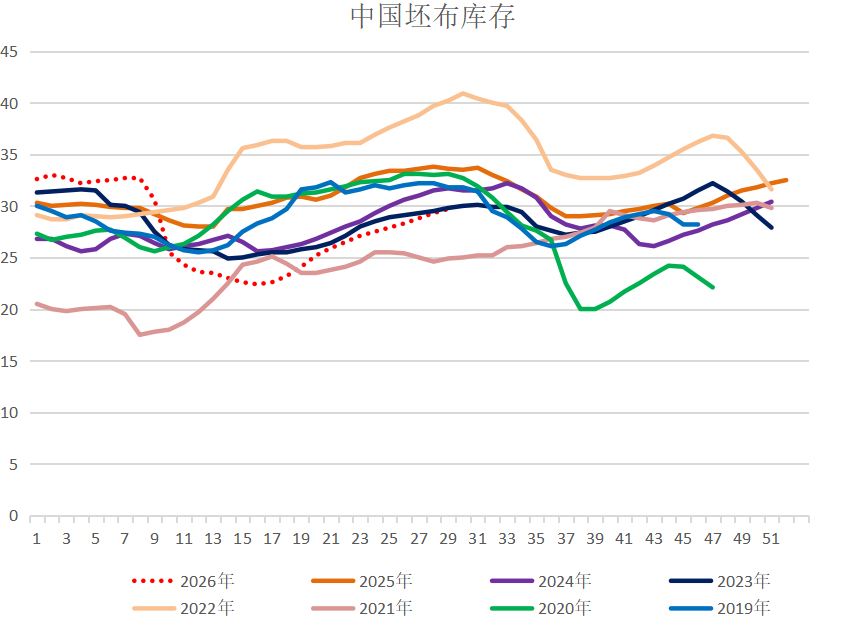
According to data from the General Administration of Customs, China's exports of textile and apparel products amounted to US$29.27 billion in June, marking a year-on-year increase of 7.2%. The export volume of cotton products reached 702,700 tons, representing a year-on-year increase of 11.82% and a month-on-month increase of 6.12%.
Overall, the first week of the auction saw active transactions, with the release of cotton from reserves exerting more upward constraints rather than downward pressure on cotton prices. There are potential upward drivers such as reduced harvest output of new crops, expected weather premiums due to El Niño, and the peak season of "golden September and silver October". The support for cotton prices from below is relatively solid. In the short term, cotton prices will remain volatile, with Zheng cotton trading in the range of 15,700-16,200 yuan/ton. Light positions can be taken to test the bullish side once the lower edge of the range is tested. Follow-up tracking will focus on daily transactions of reserve cotton and changes in Sino-US trade policies.
-
【Wdoodoo Weekly Paper Industry Report】Port destocking slows down, pulp surges fail6366
-
【Wdoodoo Weekly Cotton Report】Supply and demand margins slightly improve, seed cotton stabilizes to support cotton prices5176
-
【Wdoodoo Weekly Paper Industry Report】The pulp warehouse receipt has been out of stock for a long time, and the packaging paper mill has raised prices in a centralized manner7091
-
【Wdoodoo Weekly Cotton Report】Multiple bearish factors converge, focusing on the support of seed cotton procurement costs8963
-
【Wdoodoo Weekly Cotton Report】Drought in U.S. cotton continues to intensify, with domestic demand closely monitored7954