
【Wdoodoo Weekly Cotton Report】Supply and demand margins slightly improve, seed cotton stabilizes to support cotton prices
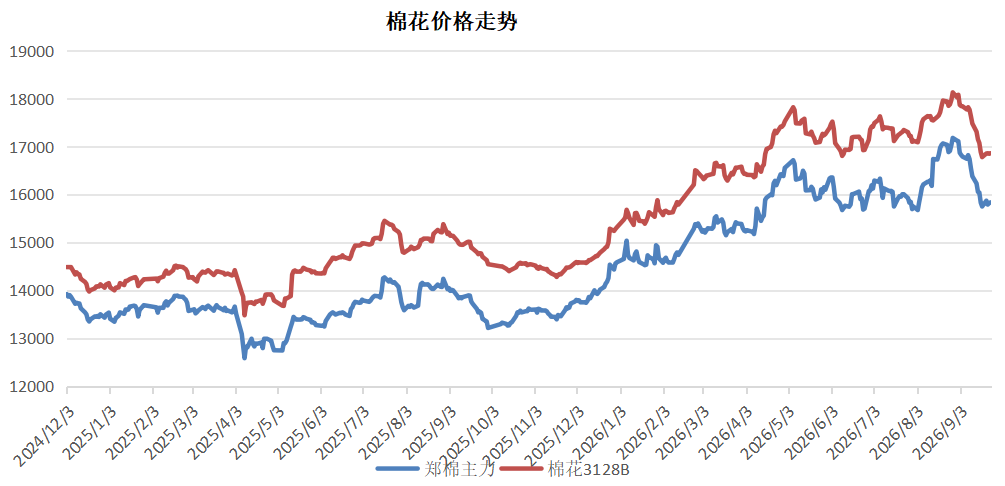
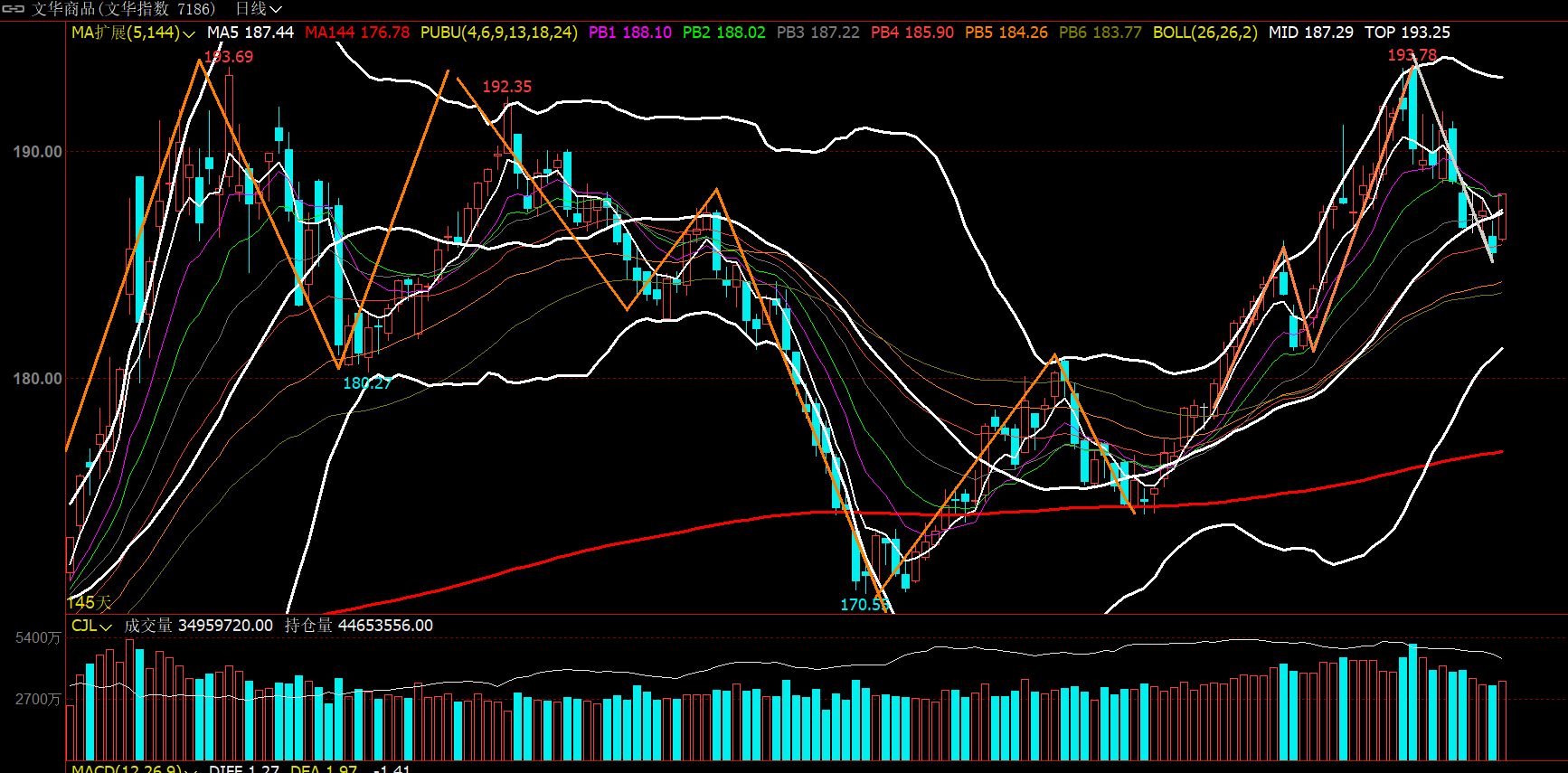
This week, domestic and international cotton prices stabilized after a decline. CF01 closed at 15,835 yuan/ton, rebounding by 85 yuan/ton month-on-month; national cotton 3128B closed at 16,860 yuan/ton, rebounding by 80 yuan/ton month-on-month. The meeting between Chinese and U.S. leaders stabilized economic expectations, with the state reserve sales halted by the end of September. Discussions on reduced production of Xinjiang cotton increased, strengthening the support for Zhengzhou cotton prices.
1. Macro factors slightly favorable
The pressure from overseas interest rate cuts is gradually being absorbed. China and the U.S. have reached an agreement: they agreed to build a constructive strategic stable relationship based on respect, fairness, and equality, and achieved eight outcomes including a $30 billion reciprocal tariff reduction arrangement. The phased easing of Sino-U.S. relations helps stabilize global expectations and benefits risk markets.
2. The sale of reserve cotton will cease by the end of September, while expectations for global new cotton production cuts persist.
From September 20 to September 24, a total of 40,400 tons of reserve cotton resources were listed for sale, with all 40,400 tons successfully transacted at a 99.90% completion rate. The average transaction price was 16,608 yuan/ton, equivalent to 17,384 yuan/ton at the 3128 price, with an average markup of 791 yuan/ton. China National Cotton Reserves Corporation announced that the sale of central reserve cotton for 2026 will cease starting September 30, 2026.
The halt in the sale of reserve cotton helps alleviate market supply pressure, but with ample carryover inventory from this year and the concentrated arrival of new cotton, rebound hedging pressure is expected to remain significant.
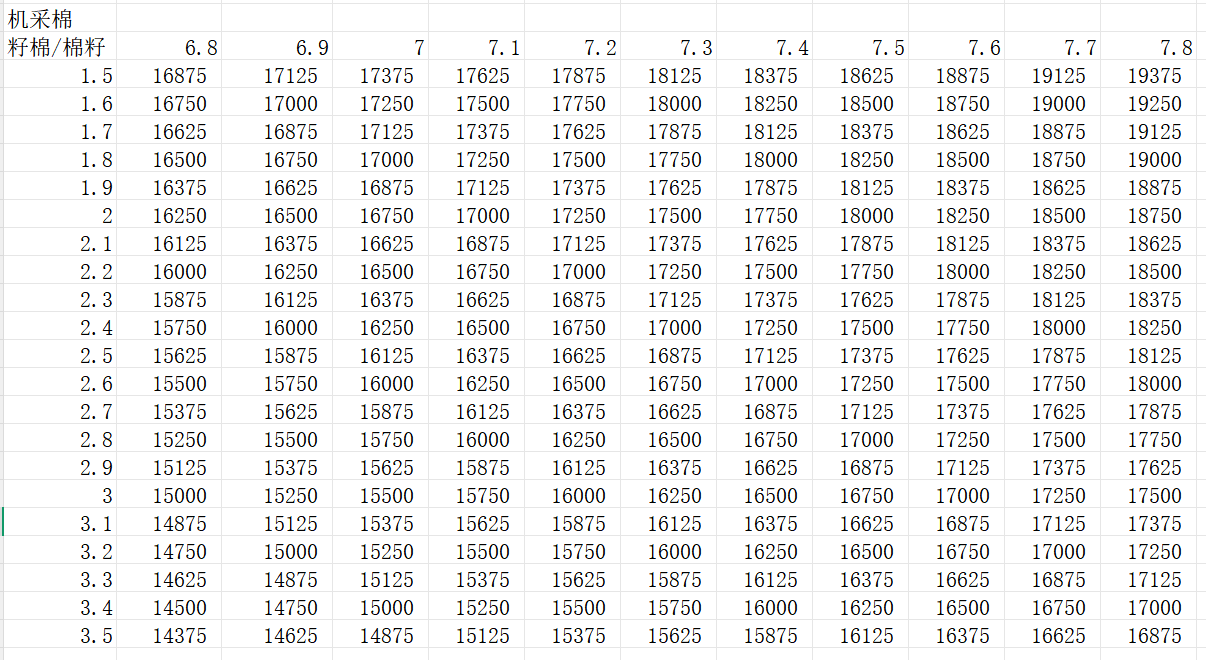
The current centralized listing in Xinjiang is imminent, and machine harvested cotton from various production areas is gradually entering the harvesting stage. The open scale price of seed cotton is around 7.2-7.5 yuan/kg, which has significantly increased compared to last year. The corresponding comprehensive cost of lint cotton is about 16300-16700 yuan/ton. With the gradual acquisition of new cotton, discussions about Xinjiang's cotton production reduction exceeding expectations have begun to increase.
In terms of external market, El Ni ñ o is expected to occur in the fourth quarter, and drought expectations in India and Australia are expected to increase. The yield of US cotton will continue to decline, and the yield of US cotton may still be lowered in October. The market fell below 85 cents, and USDA export sales rebounded significantly.
3、 Poor demand during peak season
With the release of orders during the Double Festival and winter/spring seasons, consumption has rebounded slightly. However, the yarn start-up load and overall fabric load continued to fluctuate at a low level this week, with both yarn and embryo fabrics accumulating inventory. Imported yarn inventory significantly increased, and although terminal shipments accelerated, orders were mainly short and small orders. The industry demand remains in a state of essential demand, and downstream start-up and finished product inventory data do not support yarn mills' excess raw material inventory. The lack of incremental demand is the core factor restricting the rebound of cotton prices, and attention should be paid to the boosting effect of the improvement of Sino US trade relations on cotton demand.
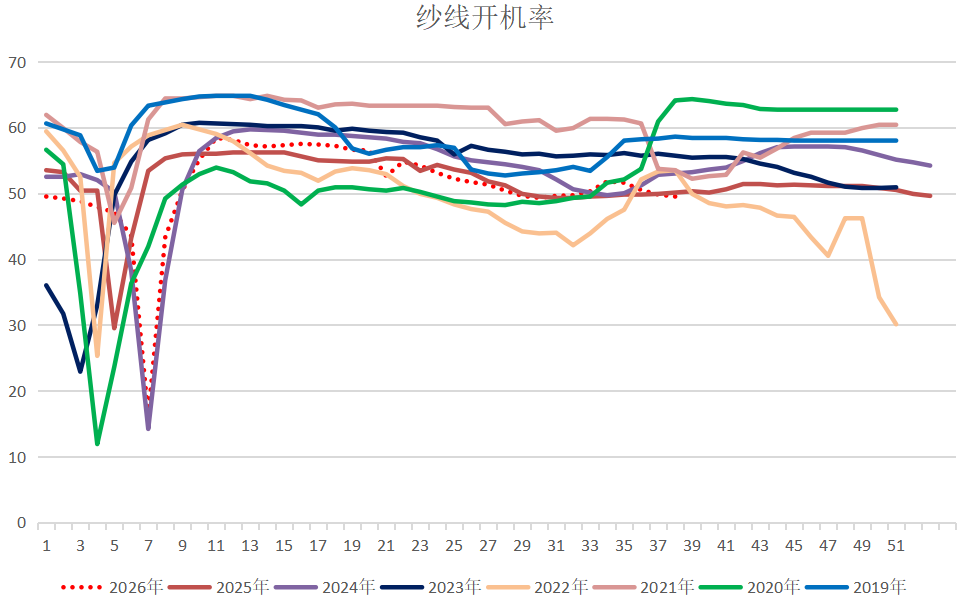
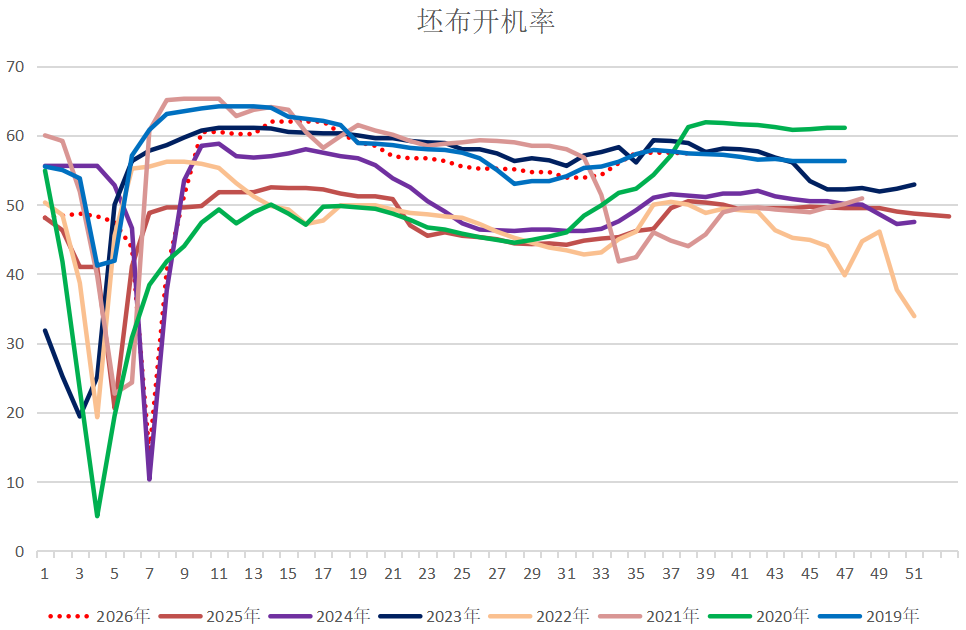
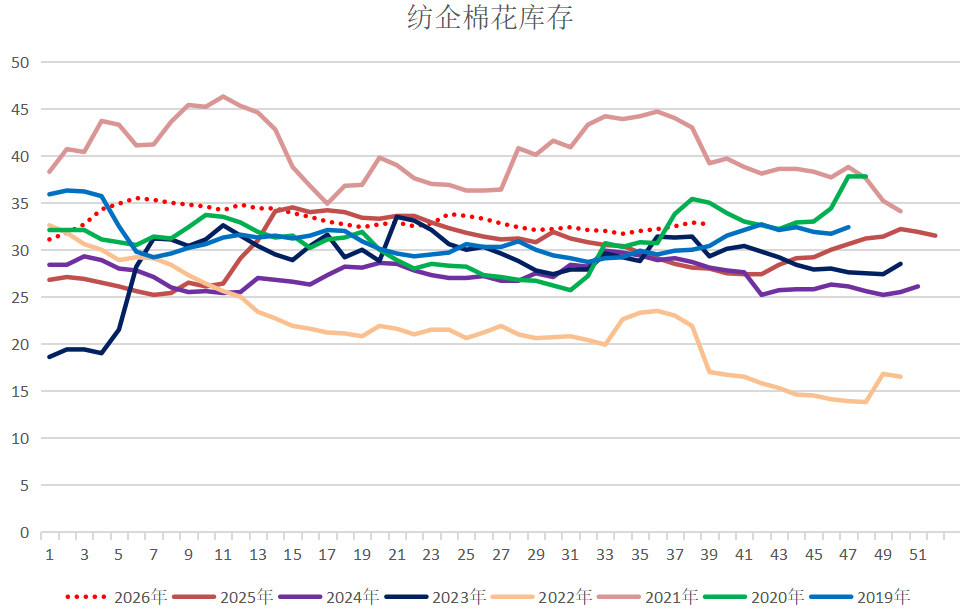
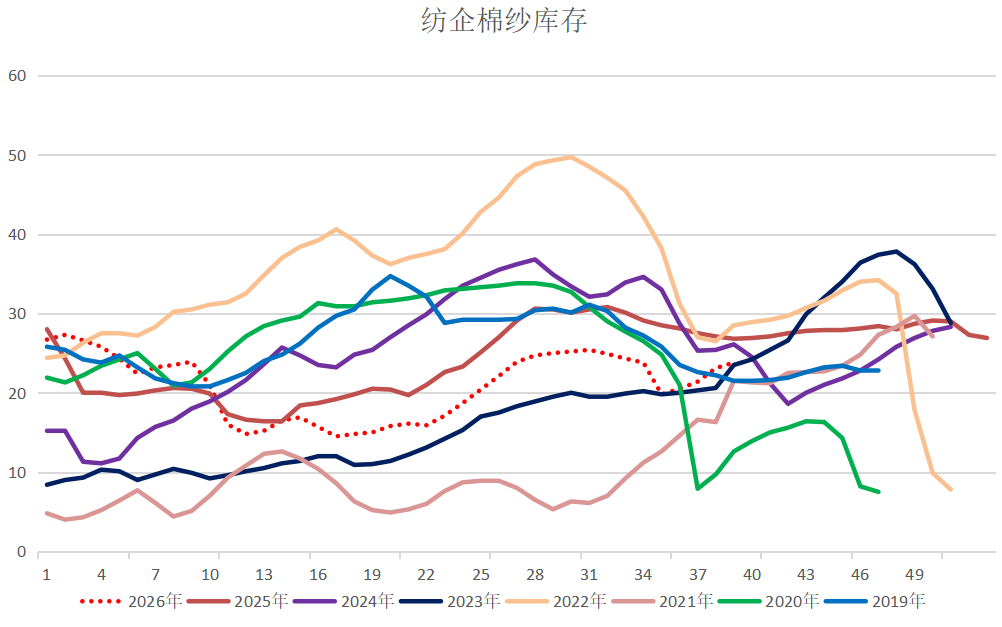
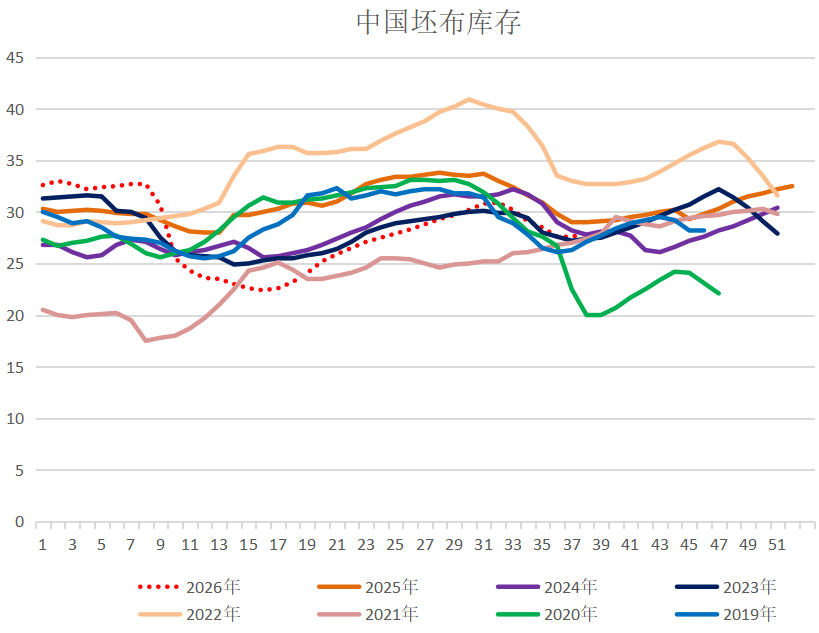
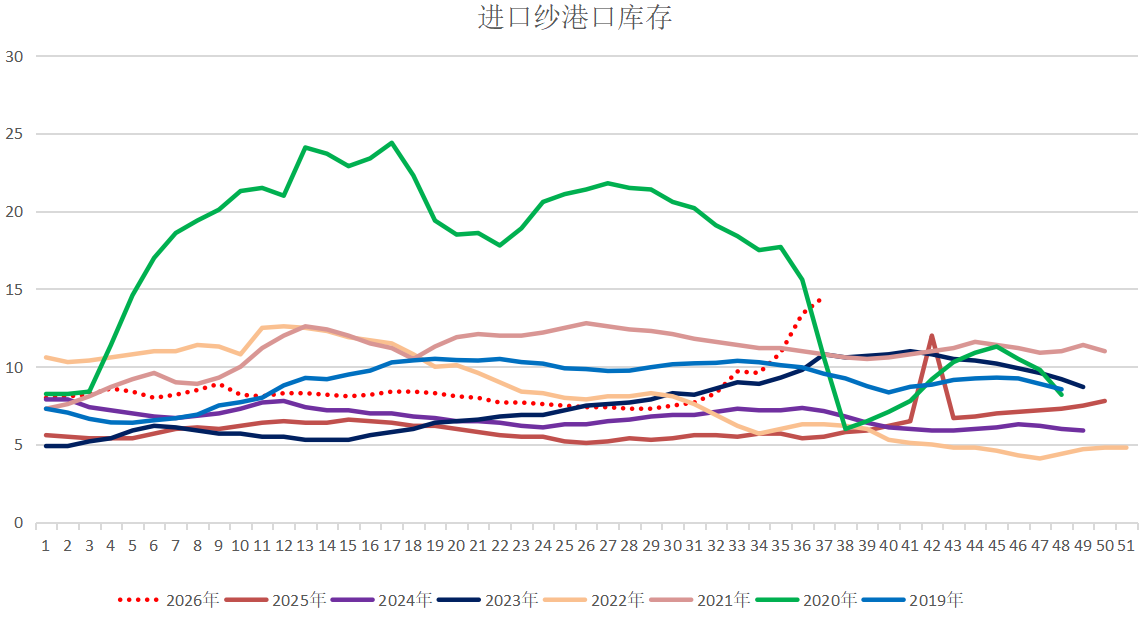
Overall, in the short term, the first meeting of the US dollar is expected to stabilize economic growth, with a halt in stockpile selling and increased discussions on reducing cotton production in Xinjiang. There is room for recovery after the market oversold. However, the industry fundamentals of abundant flower yarn inventory and weak demand have not substantially improved, and the rebound in cotton prices is highly suppressed by the hedging demand of new cotton being concentrated on the market.
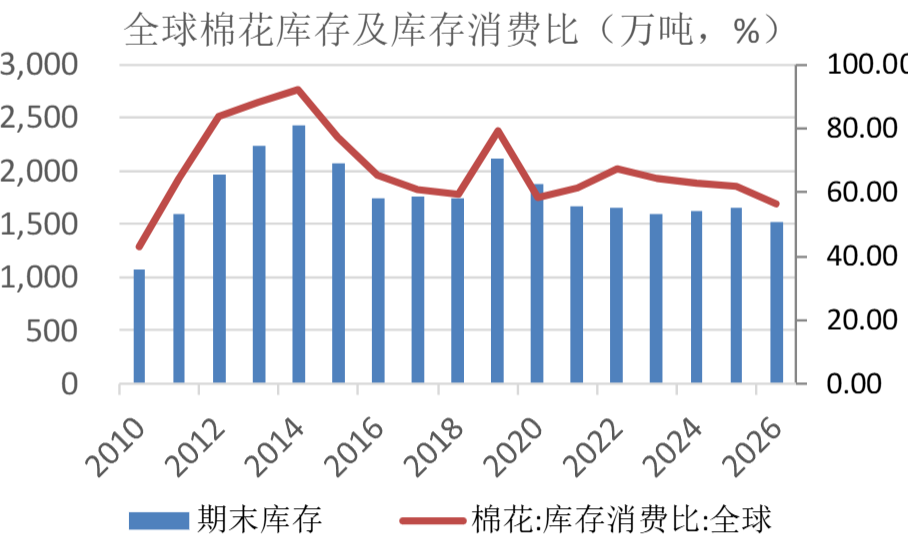
In the medium to long term, El Ni ñ o reached its peak in the fourth quarter, causing a decline in global cotton production in the new year and a low inventory to consumption ratio. The long-term supply and demand pattern is relatively tight, providing bottom support for cotton prices. Combined with the current cotton price approaching the industry cost range, the main force 01 has significant support in the 15000-15500 range.
In terms of operation, there may be a short-term oversold rebound, but the upward space is limited. We should maintain a neutral wait-and-see attitude or build a small amount of positions on dips. Short term support of 15500, with key pressure above 16500. Follow up will focus on tracking the progress of Xinjiang's new cotton weighing, the increase in orders during peak season, and overseas monetary policy trends.
-
【Wdoodoo Weekly Paper Industry Report】Port destocking slows down, pulp surges fail6296
-
【Wdoodoo Weekly Cotton Report】Supply and demand margins slightly improve, seed cotton stabilizes to support cotton prices5104
-
【Wdoodoo Weekly Paper Industry Report】The pulp warehouse receipt has been out of stock for a long time, and the packaging paper mill has raised prices in a centralized manner7033
-
【Wdoodoo Weekly Cotton Report】Multiple bearish factors converge, focusing on the support of seed cotton procurement costs8914
-
【Wdoodoo Weekly Cotton Report】Drought in U.S. cotton continues to intensify, with domestic demand closely monitored7902