
【Wdoodoo Weekly Cotton Report】Supply and demand lack strong drivers, with Zhengzhou cotton prices fluctuating weakly
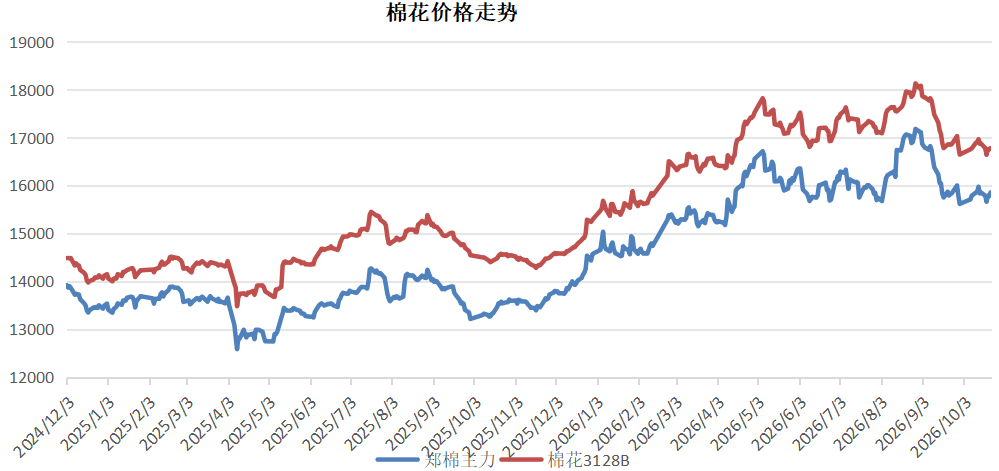
This week, Zhengzhou cotton prices fluctuated with an initial decline followed by a rebound, showing narrow-range volatility. The CF01 contract closed at 15,855 yuan/ton, up 5 yuan/ton from the previous session, while the national cotton 3128B grade closed at 16,780 yuan/ton, down 90 yuan/ton. The concentrated arrival of new cotton and weaker-than-expected demand during the peak season weighed on the market, but rising seed cotton processing costs and reforms in warehouse receipt systems provided some bottom support.
1. Crude oil prices remain high, with macroeconomic recession expectations resurfacing.
Crude oil prices remain high, and macroeconomic recession expectations intensify.
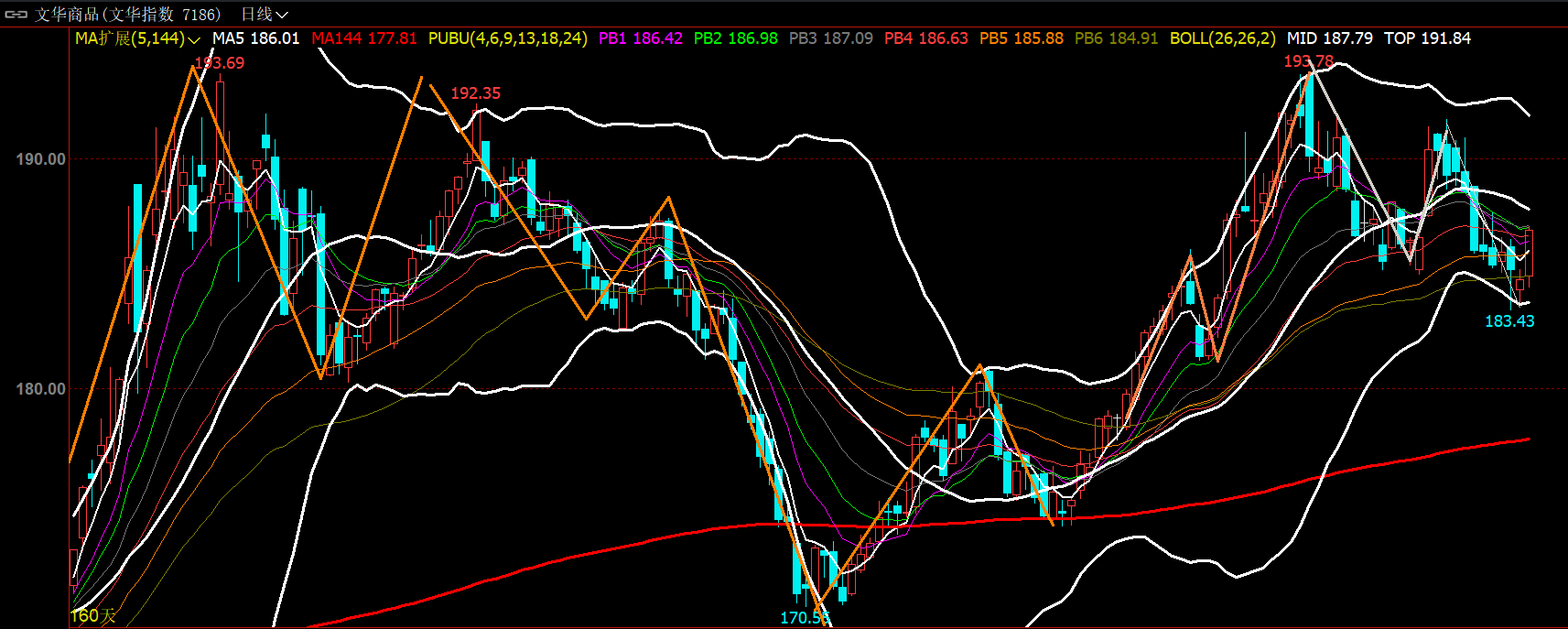
Recent geopolitical tensions in the Middle East have intensified, driving up energy and commodity costs and severely dampening downstream demand expectations. Global dollar liquidity remains tight, with renewed recession concerns weighing on commodity trends. This week features a flurry of macroeconomic events, including the policy framework for the 15th Five-Year Plan at the Fifth Plenary Session, the Federal Reserve's interest rate decision, and the market impact of Middle Eastern energy and commodity price transmissions.
2、 The supply side is biased towards neutrality.
The progress of new cotton harvesting in Xinjiang is close to 80%, with northern Xinjiang nearing completion and southern Xinjiang exceeding 60%; As of October 22, the cumulative public inspection of new cotton in China reached 1.2692 million tons, an increase of 255300 tons year-on-year. Market research feedback shows that the cotton yield in Xinjiang in the new year may drop below 7 million tons due to the decline in yield and clothing percentage.
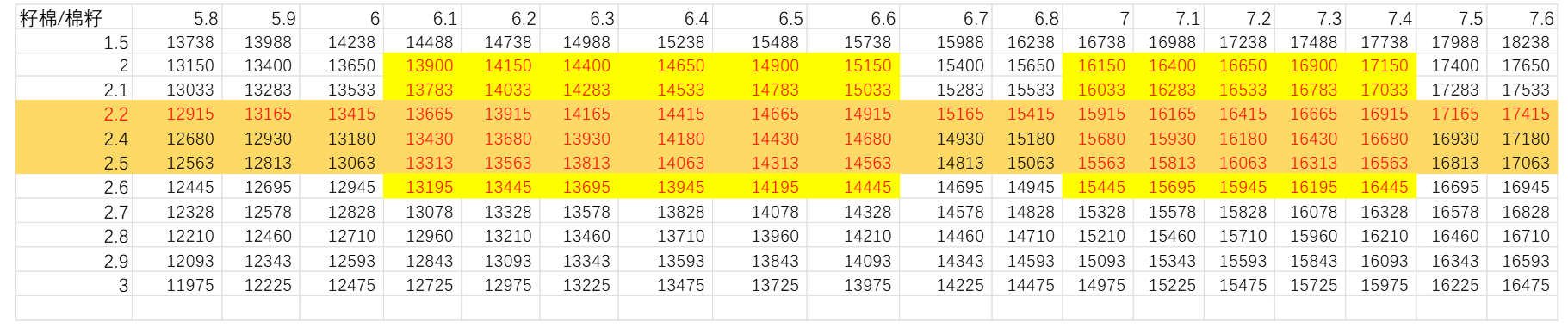
As a result, the purchase price of seed cotton is mostly around 7.3-7.6 yuan/kg, an increase of 1-1.2 yuan/kg compared to last year. The processing profit of the embossing factory is under pressure, and there is a willingness to raise prices.
However, the concentrated listing of new cotton has driven the rapid accumulation of commercial inventory. As of October 15th, the national commercial cotton inventory with BCO caliber was 2.6118 million tons, an increase of 846300 tons from the end of September and a year-on-year increase of 891600 tons; Among them, the inventory in Xinjiang was 1.5701 million tons, an increase of 880700 tons from the end of September and a year-on-year increase of 406300 tons.
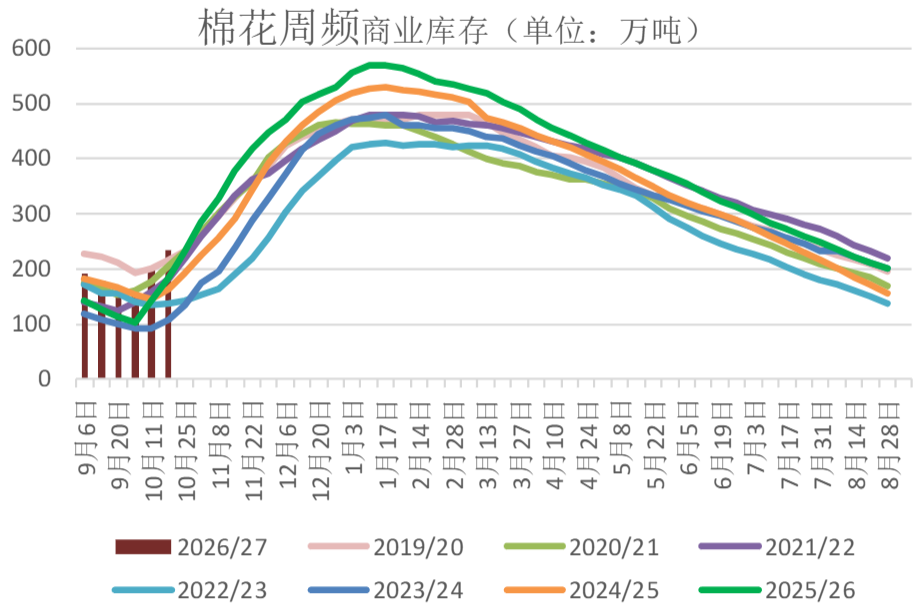
It is expected that the theoretical cost of new cotton will be mostly in the range of 16400-17200, and the main force 01 will face centralized hedging pressure in the range of 15900-16300.
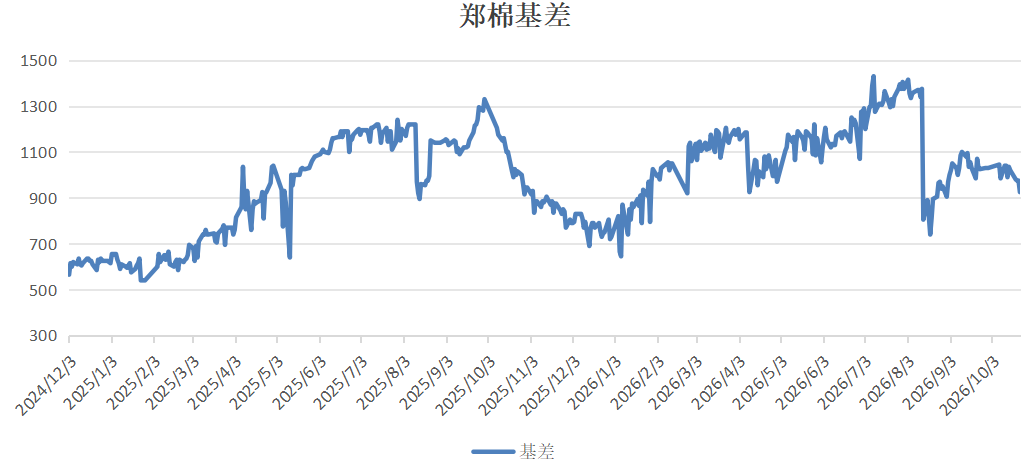
It is worth noting that after the reform of the premium for delivery in the new year, the premium for delivery warehouses in mainland China has generally been reduced by 200 yuan/ton, and the premium for high-quality indicators has also narrowed. The quality of cotton in the new year is poor, and the average premium of spot goods has significantly decreased, which is lower than the basis of spot sales. The cost-effectiveness of warehouse receipts has decreased, the willingness to register has decreased, and the pressure of warehouse receipts has been reduced.
3、 Downstream demand is weak.
The Golden September and Silver October are coming to an end, and the demand feedback is not as expected. The current yarn production is fluctuating at a low level, with less than half of it running. The profit of the yarn factory is weak, and the transaction volume of cotton yarn is sluggish. Accumulated finished product inventory and rapid increase in port cotton yarn inventory. The procurement of raw materials by enterprises is mainly based on on-demand purchase and replenishment of essential inventory, and the willingness to proactively replenish inventory is low. After the end of the peak season, it will turn into a low season, and the negative feedback of weak reality on the demand side may continue. Attention should be paid to the issues of pre demand and post risk caused by the rush to export in the first half of the year.
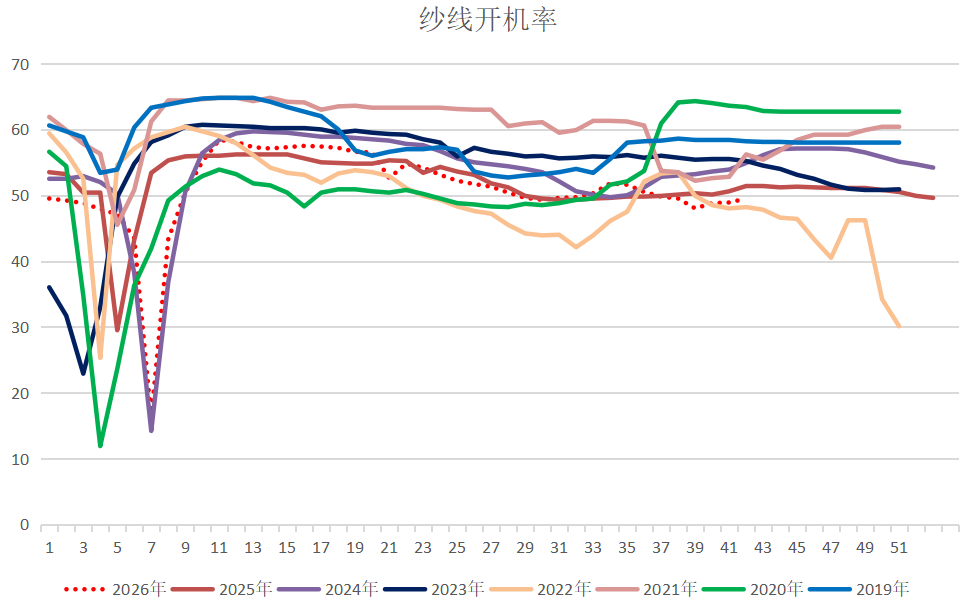
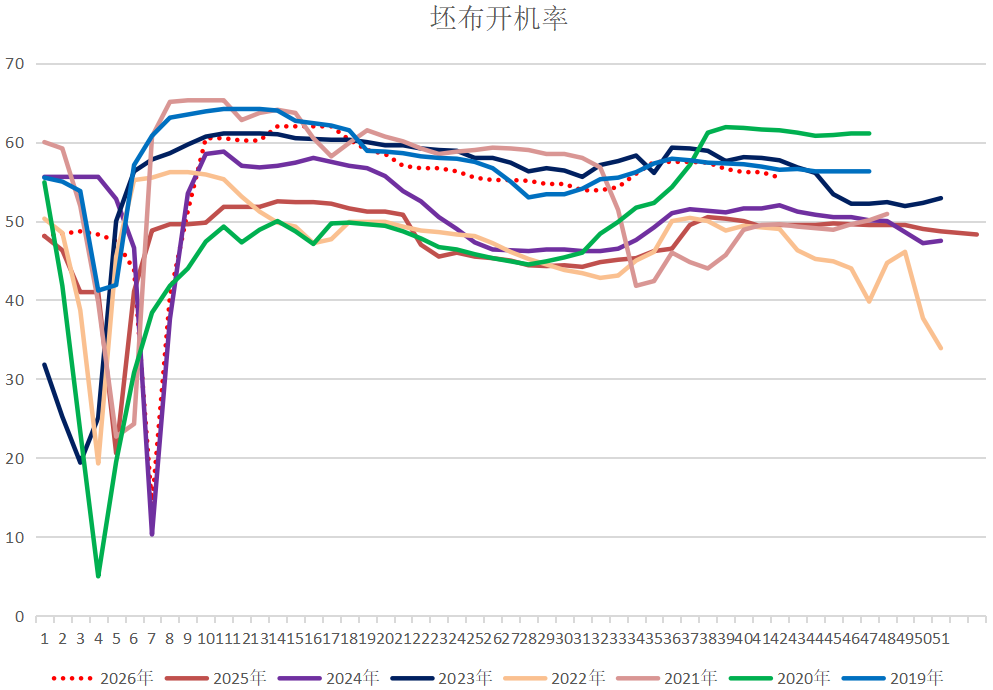
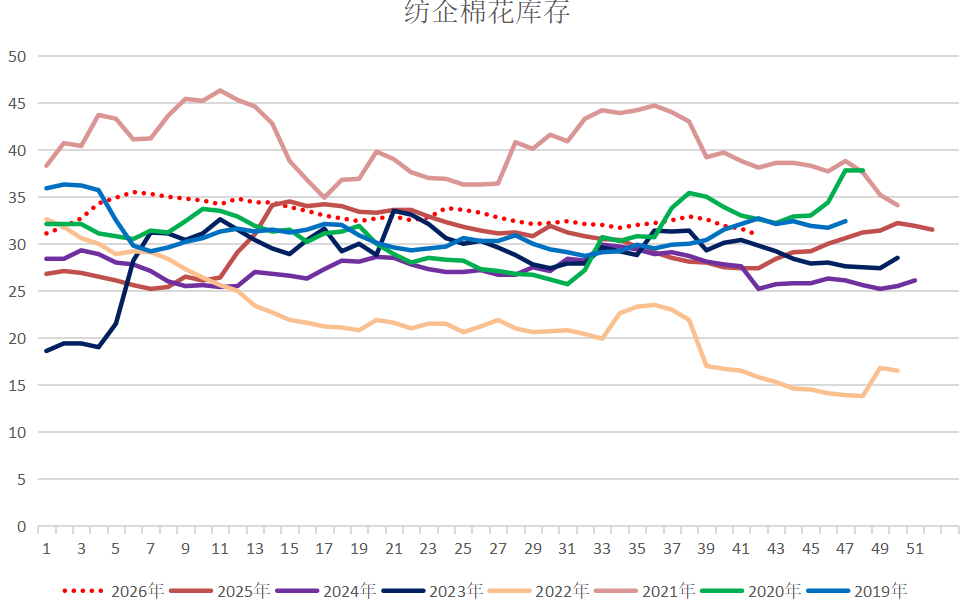
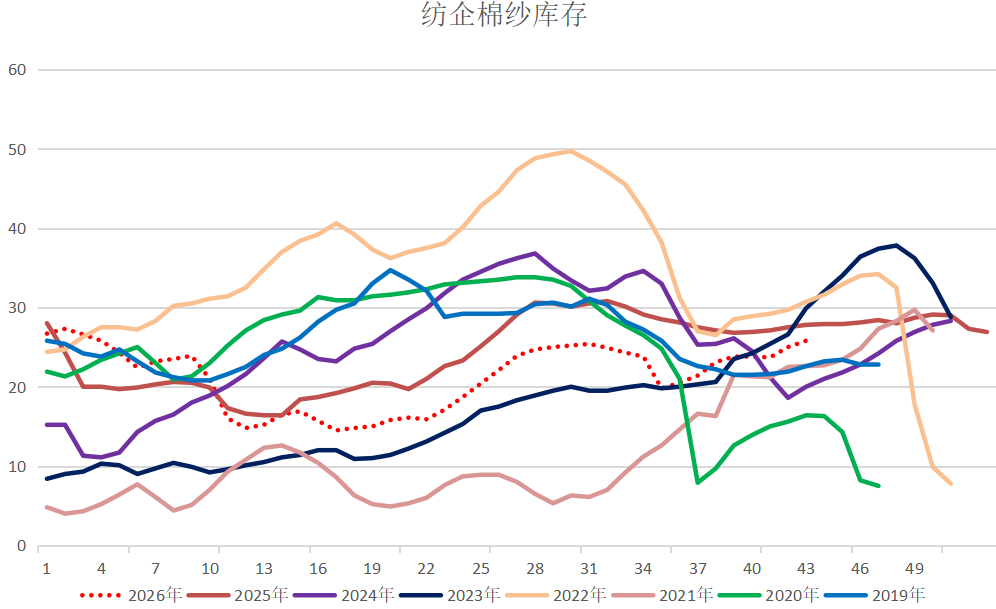
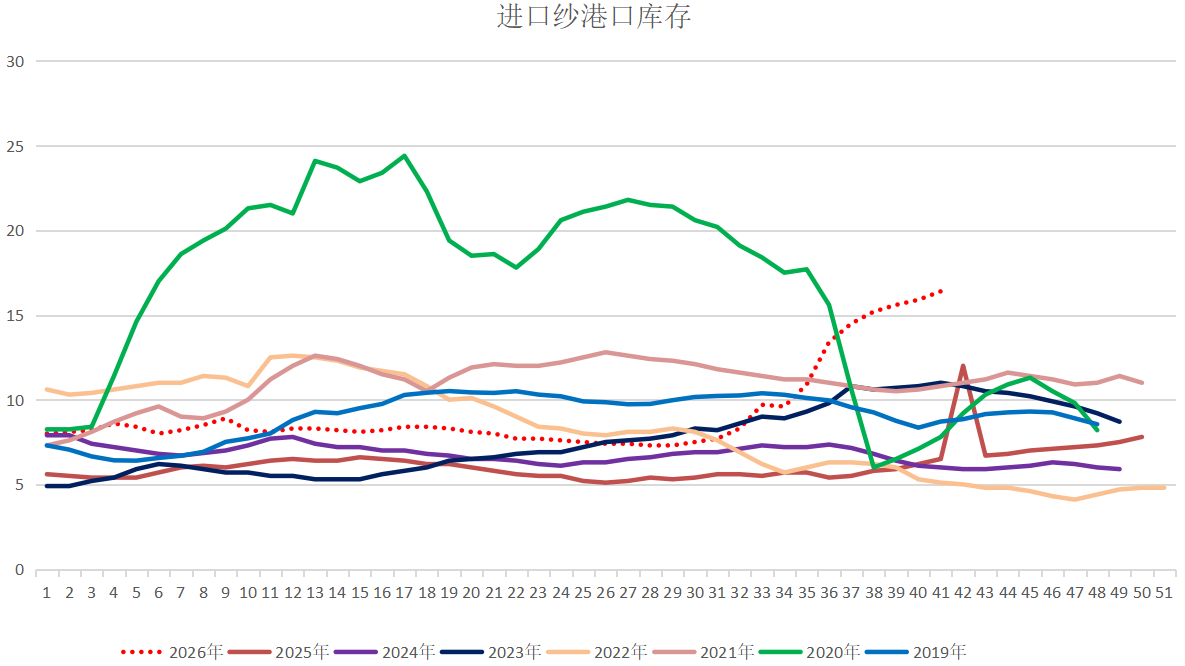
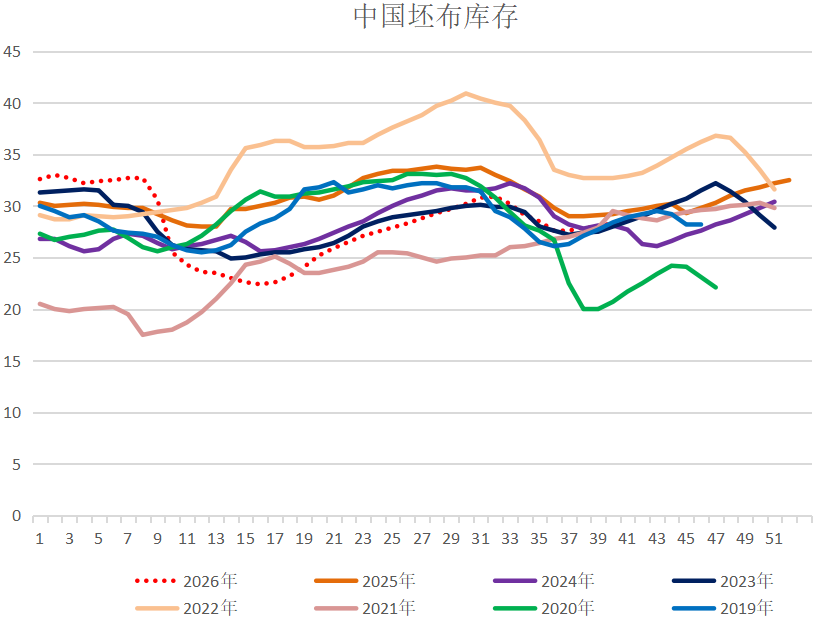
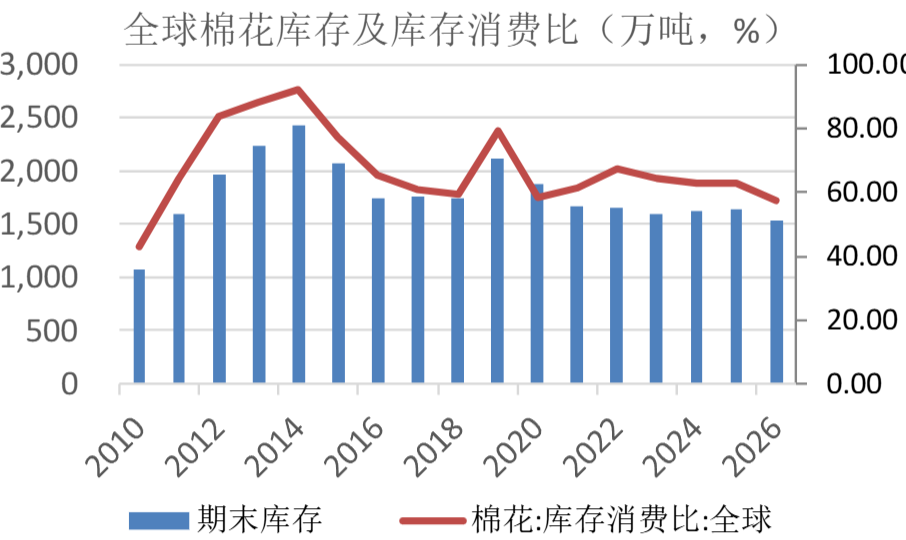
Overall, the expectation of cotton production reduction in Xinjiang has increased, and the new year's warehouse receipt reform and seed cotton purchase costs have firmly supported cotton prices. However, the inventory carried over from the previous year was relatively high, and the increase in global cotton production in USDA in October dispelled the positive news of Xinjiang's production reduction. The rebound of Zhengzhou cotton is constrained by demand drag and concentrated hedging suppression, and is expected to fluctuate in the short-term range of 15500-16200.
-
【Wdoodoo Weekly Paper Industry Report】Bottom grinding of pulp prices waiting for inventory clearance, focusing on long-term stabilization opportunities under low valuation7141
-
【Wdoodoo Weekly Cotton Report】Supply and demand lack strong drivers, with Zhengzhou cotton prices fluctuating weakly8133
-
【Wdoodoo Weekly Paper Industry Report】Pay attention to the situation of needle leaf destocking under low valuation6207
-
【Wdoodoo Weekly Cotton Report】Production cuts are limited, Zhengzhou cotton rebounds weakly6710
-
【Wdoodoo Weekly Paper Industry Report】Raw paper processing is under pressure, and the pulp trend is loose9874