
【Wdoodoo Weekly Cotton Report】India's production cut is beneficial for the market, while hedging sell-offs still await digestion
Last week, Zhengzhou cotton futures initially declined before rebounding. The CF01 contract closed at 15,385 yuan/ton, up 70 yuan/ton from the previous session; the national cotton 3128B contract closed at 16,285 yuan/ton, up 65 yuan/ton. Macroeconomic uncertainties subsided, and India's significant cotton production cuts supported prices. However, weak demand during the off-season and hedging sales by ginning mills limited the rebound space.
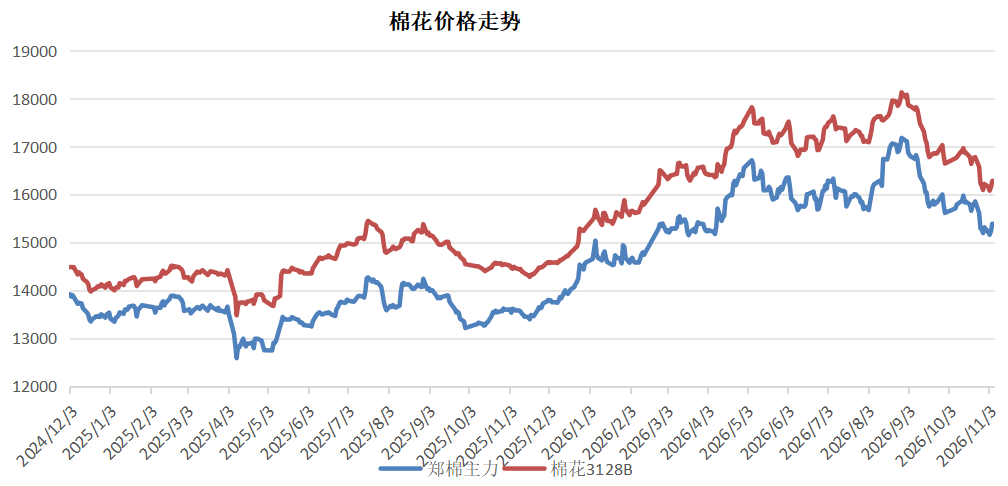
1. Macroeconomic uncertainty temporarily subsided.
Last week, the U.S. midterm elections concluded, and the Middle East conflict cooled down, leading to a significant decline in crude oil prices. The international atmosphere is expected to remain relatively stable before the APEC meeting. With a framework agreement on cotton procurement reached between Chinese and American enterprises, both domestic and international cotton prices rebounded.
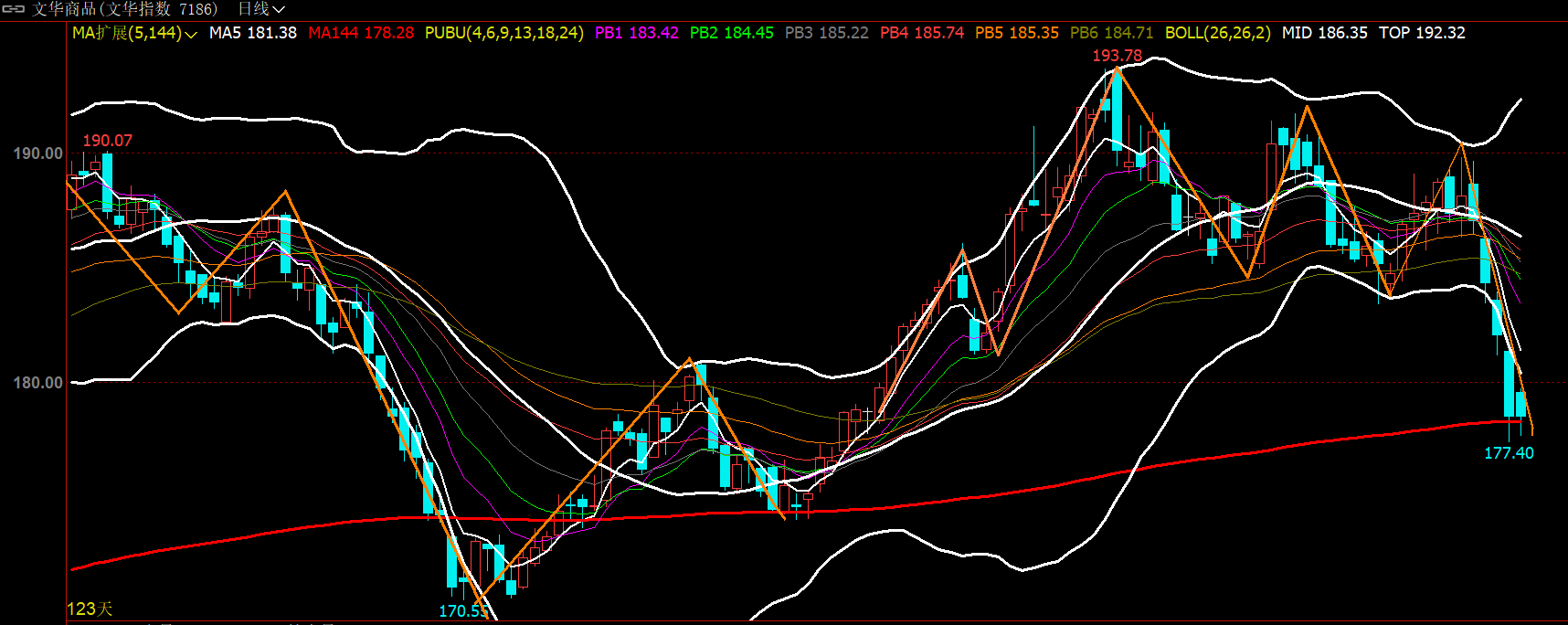
2、 The reduction in cotton production in India supports cotton prices.
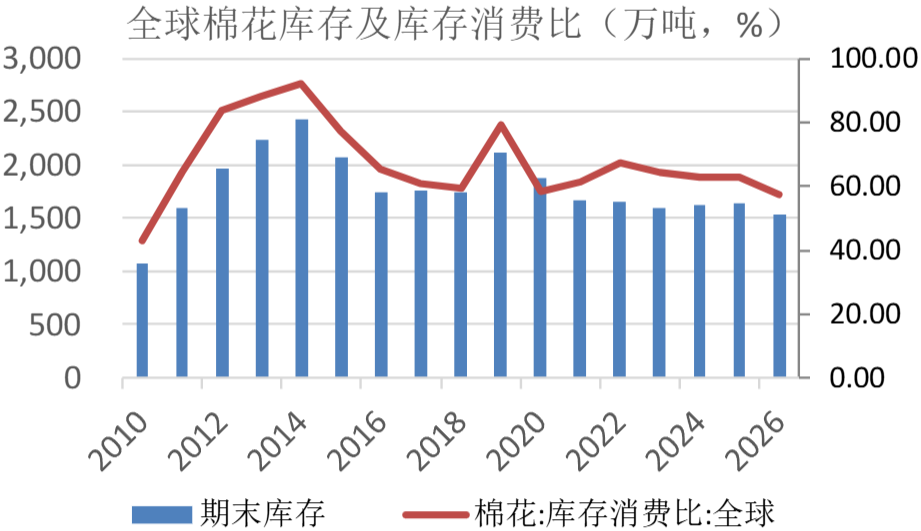
The Indian Cotton Association has lowered its estimated cotton production for the year 26-27 by 14% for the first time, with a year-on-year decrease of 780000 tons. The gap between India's production and demand remains significant, and the Ministry of Finance has extended the exemption of cotton tariffs until the end of the year, which may support international cotton prices.
3、 The cotton harvest in Xinjiang is basically completed, and the high commercial inventory in China is suppressing cotton prices
As of November 3rd, the cumulative public inspection of new cotton in China reached 2.31 million tons, an increase of 480000 tons compared to the previous month. The high-quality cotton base is stable, while the base of low-quality cotton with high impurities, light stains, light yellow, etc. continues to decline.
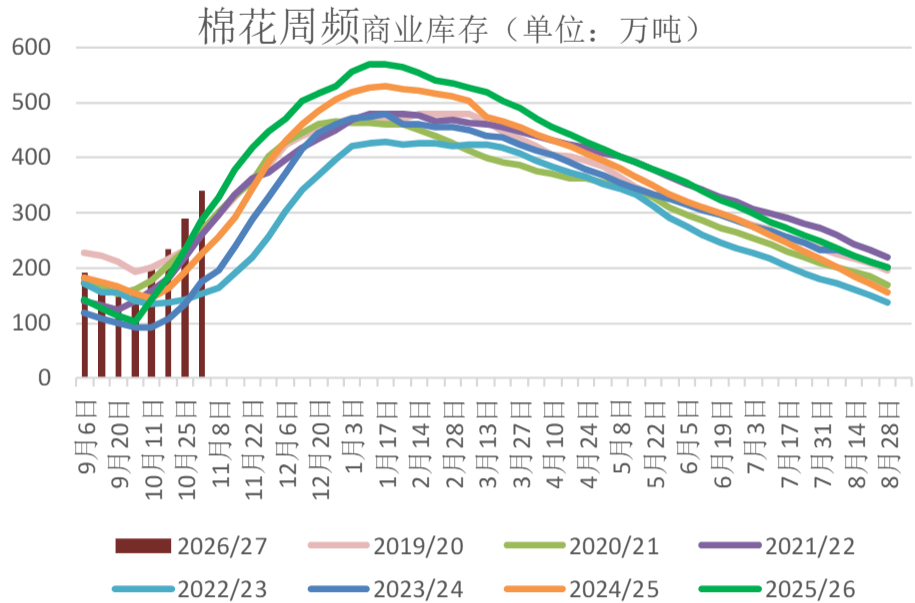
Commercial inventory accumulates rapidly. As of October 30th, the national commercial cotton inventory of BCO caliber was 3.4045 million tons, an increase of 494500 tons compared to the previous month, and a significant accumulation of inventory for three consecutive weeks, an increase of 560000 tons year-on-year, with a growth rate of 19.5%. Pay attention to the impact of the cancellation of 270000 tons of aged cotton warehouse receipts before November 20th.
At the beginning of the week, the purchase price of machine harvested seed cotton in Xinjiang continued to decline, with prices ranging from 6.8 to 6.9 yuan/kg, further lowering cost support. The estimated average cost of new cotton theory is around 16400-17200, and based on the current basis of 1580-16300, it is facing a large amount of hedging and selling;
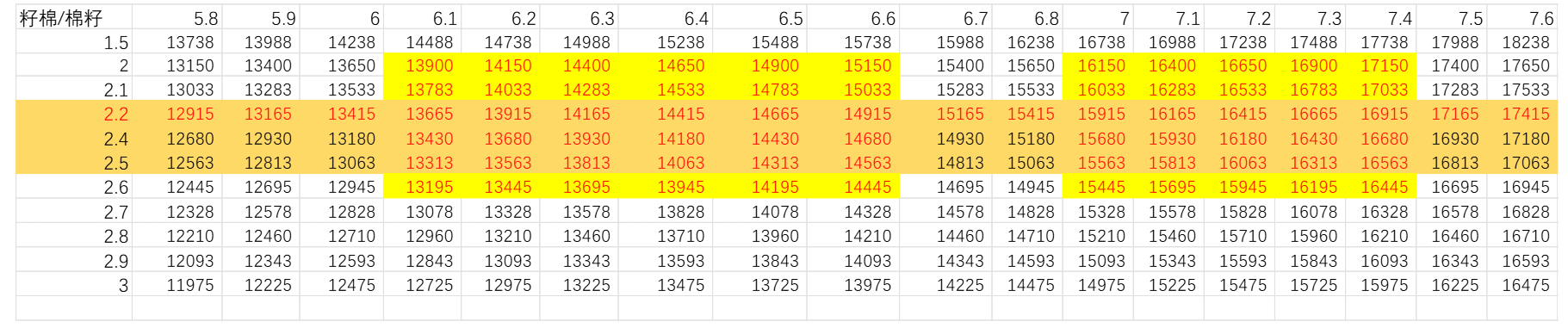
It is worth noting that after the reform of the new year's delivery premium, the cost-effectiveness of warehouse receipt registration has decreased. Due to the average production of high-quality cotton, it is expected that the number of warehouse receipts registered will be limited, which may benefit the future delivery market or the 1-5 price difference.
4、 Downstream demand is weak.
Negative demand feedback continues, and flower yarn transactions are sluggish. The current production of yarn and embryo fabric has been fluctuating at a low level for a long time, and domestic yarn is deeply losing money. Finished products continue to accumulate inventory, especially the rapid rise in port cotton yarn inventory. The procurement of raw materials by enterprises is mainly based on on-demand purchase and replenishment of essential inventory, and the willingness to proactively replenish inventory is low. We need to be vigilant about the risks brought by the rush to export demand, and it is difficult for cotton prices to rise before yarn inventory is effectively depleted.
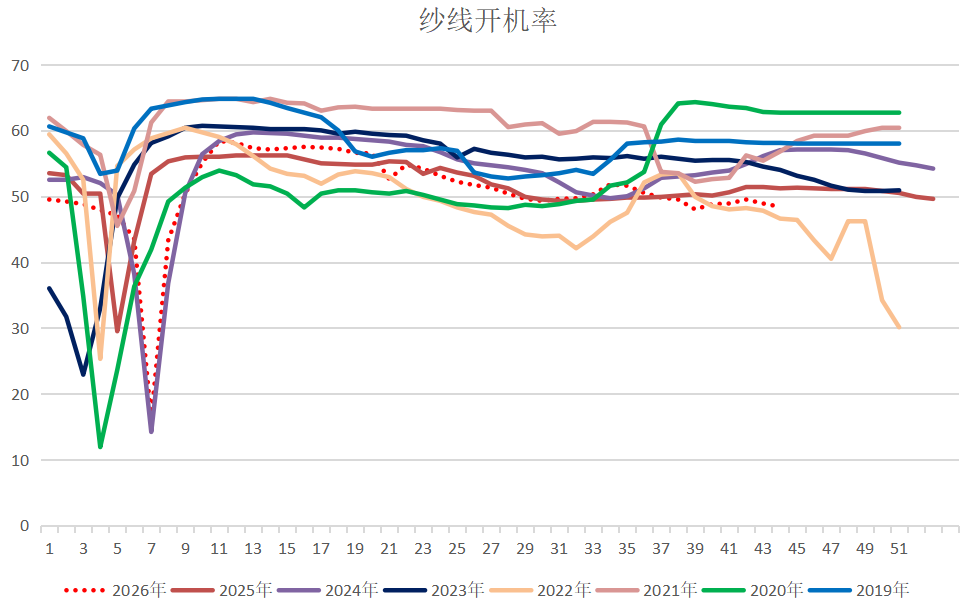
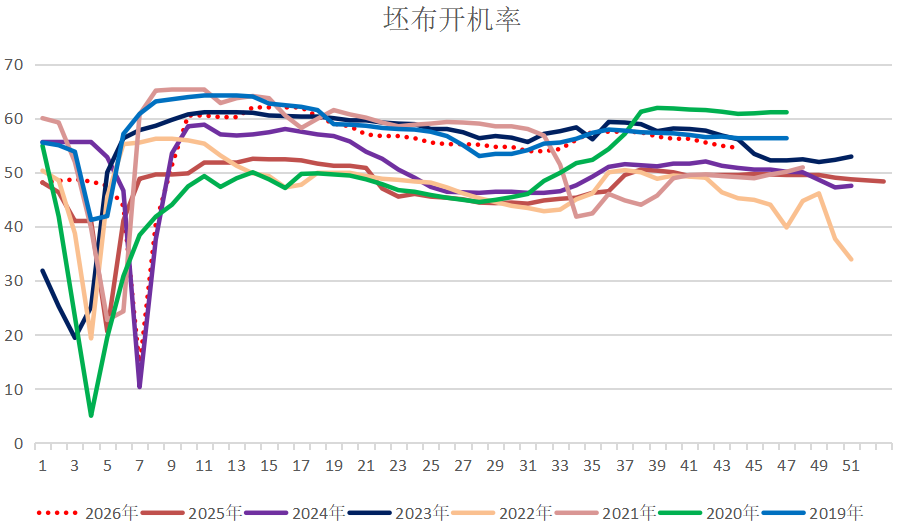
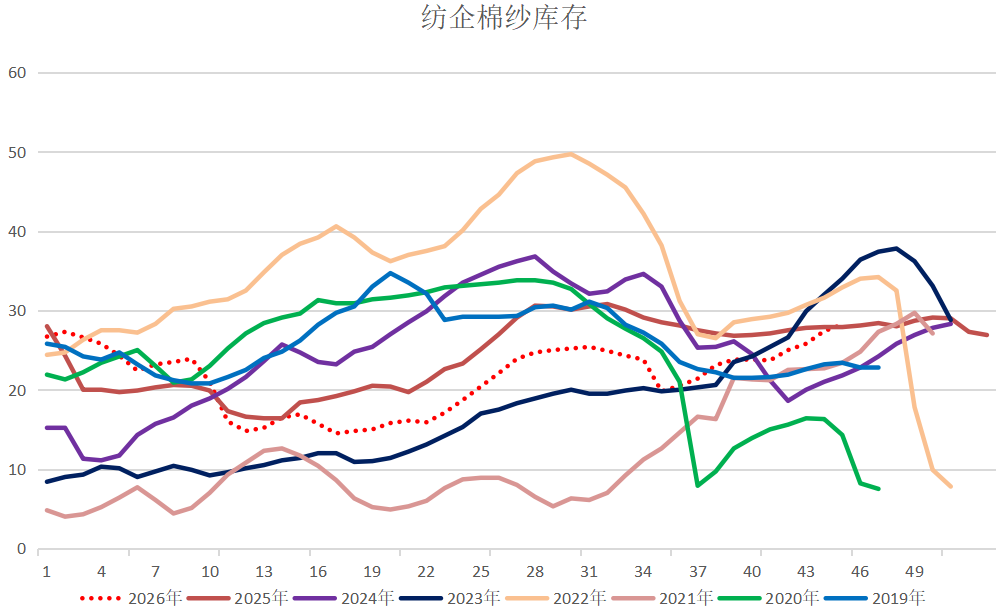
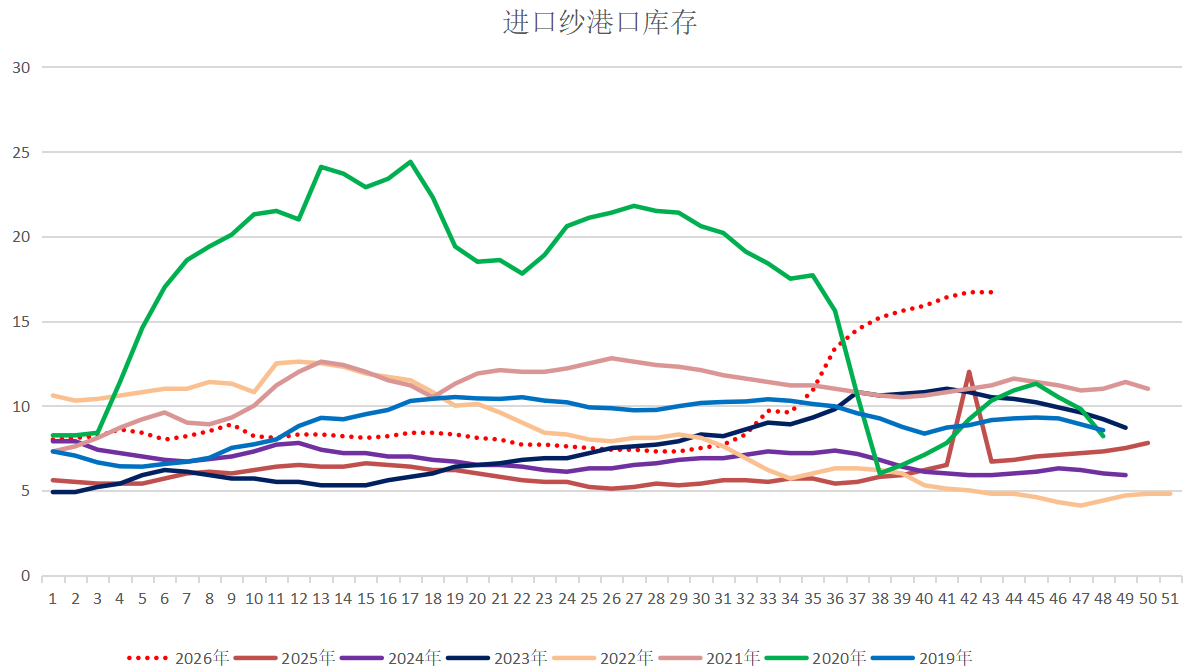
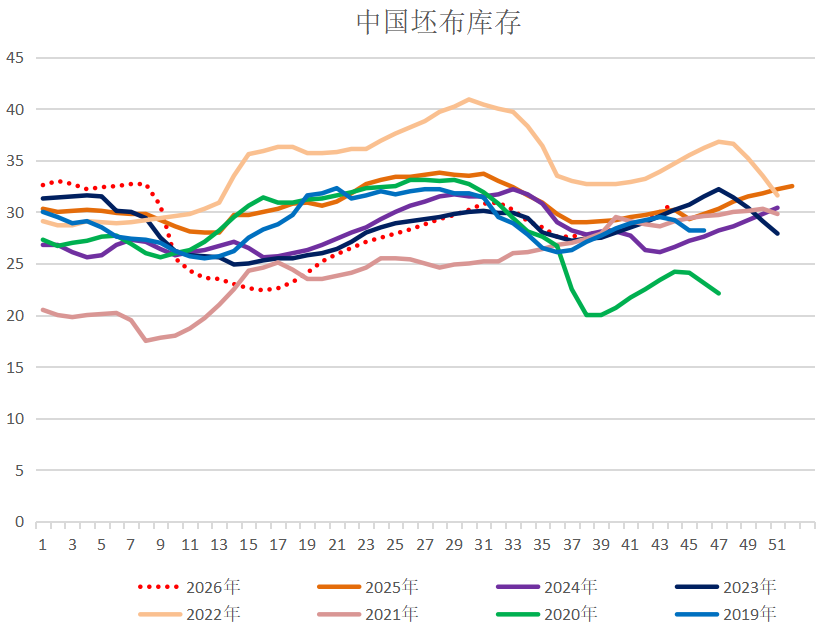
Overall, the macro atmosphere has slightly eased, and the significant reduction in Indian cotton production has boosted cotton prices, leading to a rebound in the oversold market. However, the negative feedback on demand during the off-season has intensified, and cotton and cotton yarn inventories are rapidly accumulating. Zhengzhou Cotton is facing pressure from cotton mills to sell off their inventory and cancel old warehouse receipts, and the rebound foundation is not yet solid. It is expected to fluctuate at a low level in the short term between 15000-15600, with a focus on participation in the range. Attention should be paid to the digestion of yarn inventory.
-
【Wdoodoo Weekly Paper Industry Report】Supply side disturbance supports pulp prices, and there is downward pressure space for finished paper8218
-
【Wdoodoo Weekly Cotton Report】India's production cut is beneficial for the market, while hedging sell-offs still await digestion8261
-
【Wdoodoo Weekly Paper Industry Report】Spot basis strengthens, pulp oversold rebounds5306
-
【Wdoodoo Weekly Cotton Report】Macroeconomic weakness and weak demand continue to drive Zhengzhou cotton prices lower9867
-
【Wdoodoo Weekly Paper Industry Report】Bottom grinding of pulp prices waiting for inventory clearance, focusing on long-term stabilization opportunities under low valuation7250