
【Wdoodoo Weekly Cotton Report】Golden March Peak Season Confirmed; Focus on Buying on Pullbacks
March 24, 2026
WDD-Global
1136
Guide
Highlights at a glance
This article explores the critical role of artificial intelligence in transforming modern healthcare, focusing on diagnostic accuracy, personalized treatment plans, and operational efficiency. It highlights recent advances in AI-powered imaging analysis, predictive analytics for disease progression, and natural language processing for clinical documentation. Real-world case studies demonstrate measurable improvements in patient outcomes and reduced clinician burnout. The piece also addresses key challenges—including data privacy, algorithmic bias, regulatory compliance, and integration with legacy systems—while emphasizing the necessity of human-AI collaboration rather than replacement. Ethical considerations and frameworks for responsible AI deployment are discussed, underscoring transparency, accountability, and equity. Intended for healthcare professionals, policymakers, and technology developers, the article advocates for interdisciplinary cooperation and evidence-based adoption to ensure AI enhances, rather than undermines, the quality and accessibility of care.
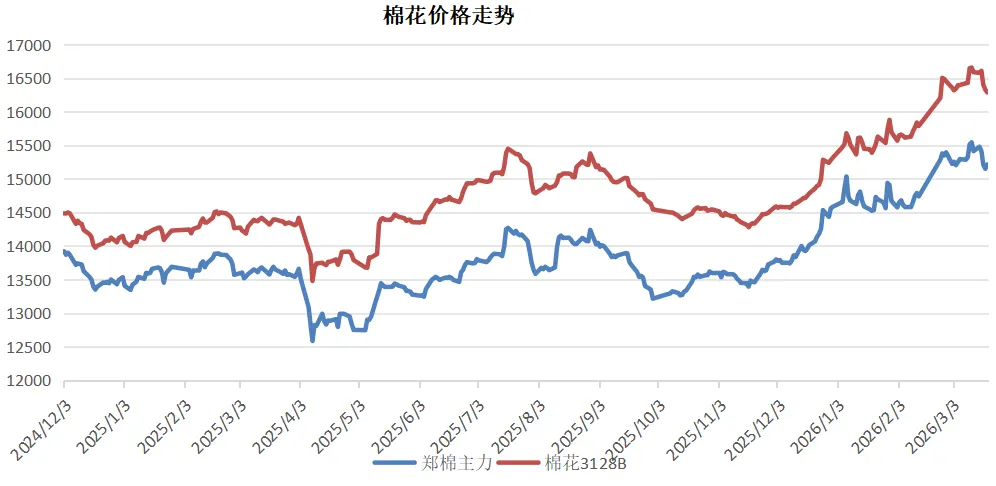
Last week, Zheng cotton moved lower before rebounding. The CF05 contract closed at 15,215 yuan/ton, down 200 yuan/ton week-on-week. Cotton grade 3128B closed at 16,290 yuan/ton, down 300 yuan/ton week-on-week. The additional issuance of 300,000 tons of sliding-scale tariff quotas weighed on the market, raising concerns over potential follow-up policy combinations such as state reserve auctions. However, supported by improving peak-season demand and favorable planting policies, cotton is expected to resume its upward trend after the phased correction.
1. Middle East Tensions Risk Spiraling Out of Control, Lifting Commodity Costs for an Extended Period
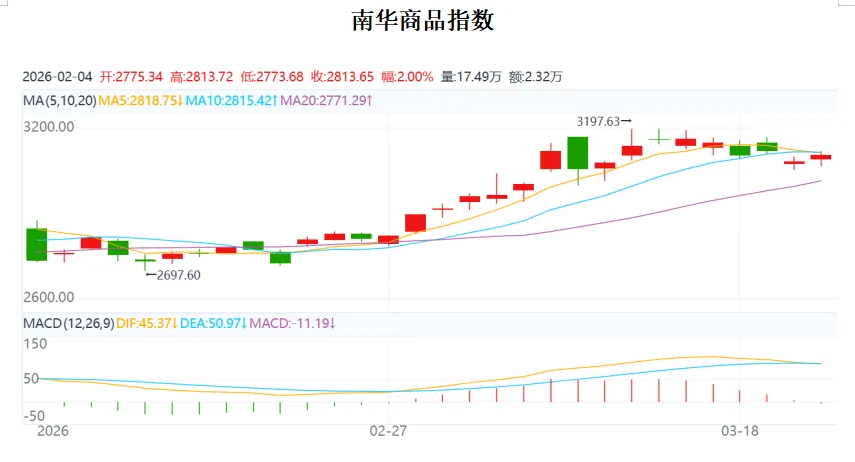
The Middle East situation is evolving toward prolonged confrontation with periodic escalations, continuing to disrupt crude oil production and shipping in the Persian Gulf. Given the repricing of war risk insurance and time lags in restoring shipping order, commodity costs are expected to stay elevated for a longer period. Recently, however, market worries over a macroeconomic recession have emerged, triggering sharp declines in non-ferrous metals and disturbing the broader commodity market.
2. Short-Term Import Pressure Mounts, While Expected Planting Reductions Underpin Prices Long-Term
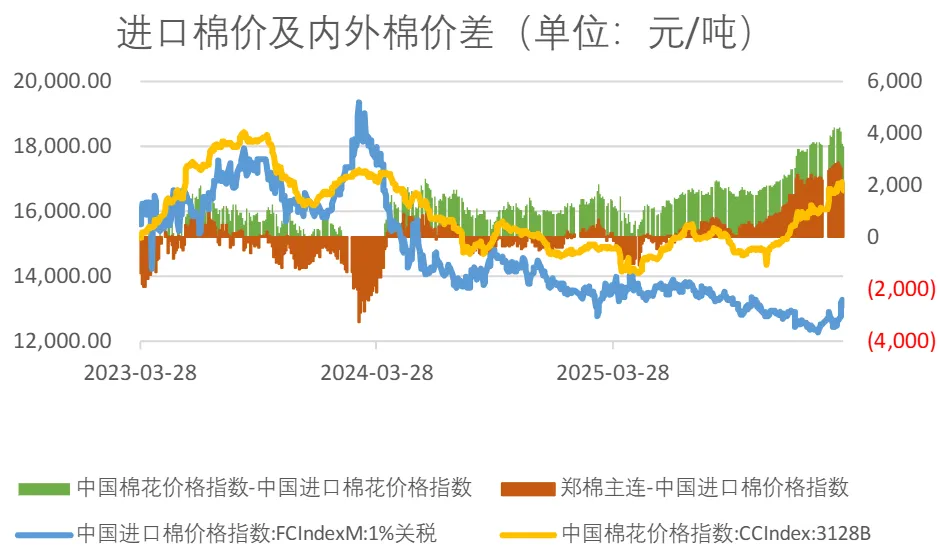
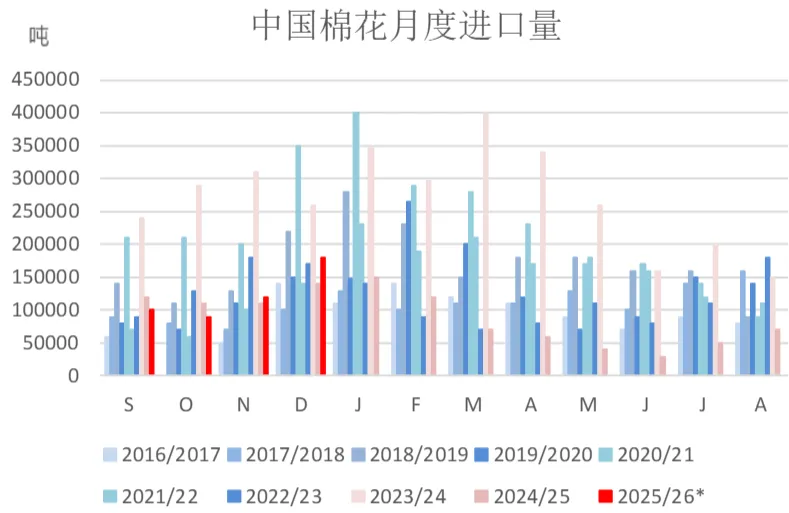
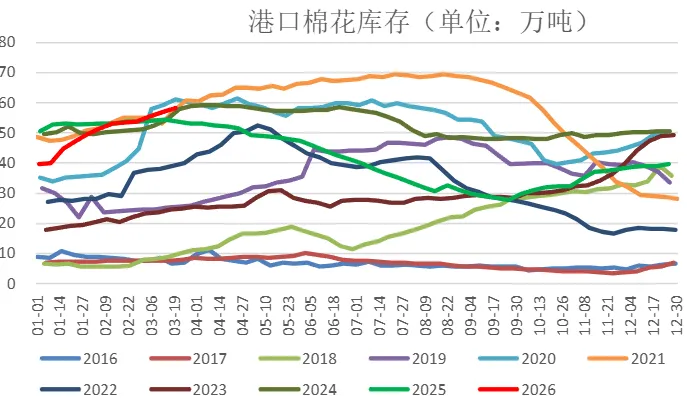
According to the General Administration of Customs, China imported 370,000 tons of cotton in January–February, up 41% year-on-year. Following the release of additional import quotas, the price gap between domestic and foreign cotton narrowed rapidly but remained relatively high. Post-holiday imports have continued to accumulate, and port inventories have kept rising. The expansion of effective domestic supply temporarily capped the rally in Zheng cotton.
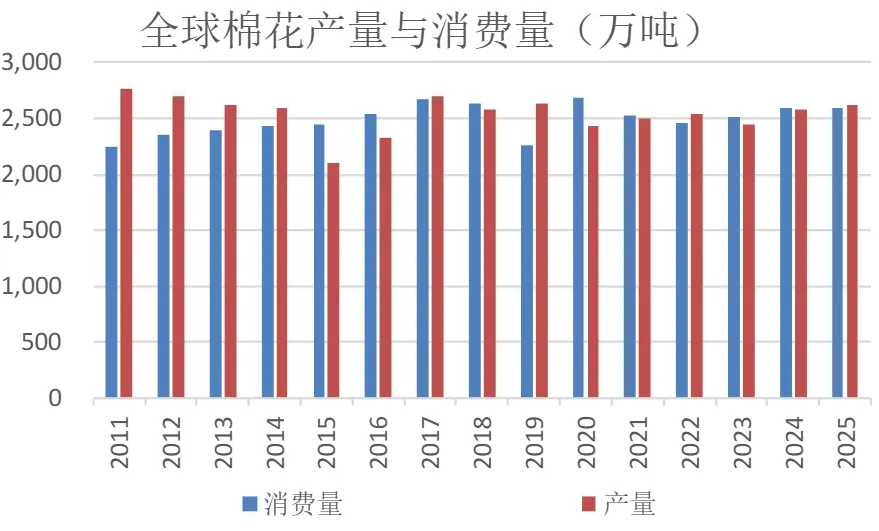
Over the medium to long term, consumption growth driven by capacity expansion at Xinjiang spinning mills is notable, while a definite reduction in cotton planting area in Xinjiang is expected for the new season. A tight global supply-demand balance will provide long-term support for cotton prices.
3. Golden March Peak Season Confirmed; Spinning Enterprises Buy Cotton on Dips
Downstream production and sales improved significantly in March, with a sharp recovery in operating rates for yarn and grey fabric production. Spinning mills’ cotton yarn inventories and grey fabric inventories continued to fall month-on-month. The 2026 China International Textile Yarn Exhibition saw strong turnout, with most spinning mills having orders scheduled through April–May, indicating resilient short-term demand. China’s textile and apparel exports reached $50.446 billion in January–February, up 17.65% year-on-year.
Following the sharp drop in cotton futures and spot prices last week, enterprises stepped up purchases on dips, leading to a notable improvement in spot trading. Market monitoring shows the national cotton sales rate reached 74.2%, up 18.2 percentage points year-on-year.
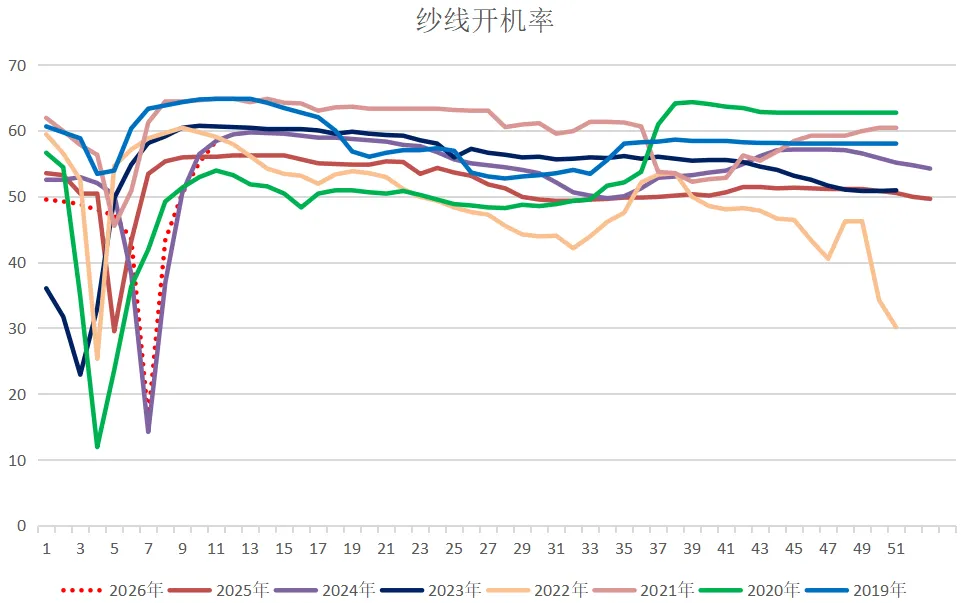
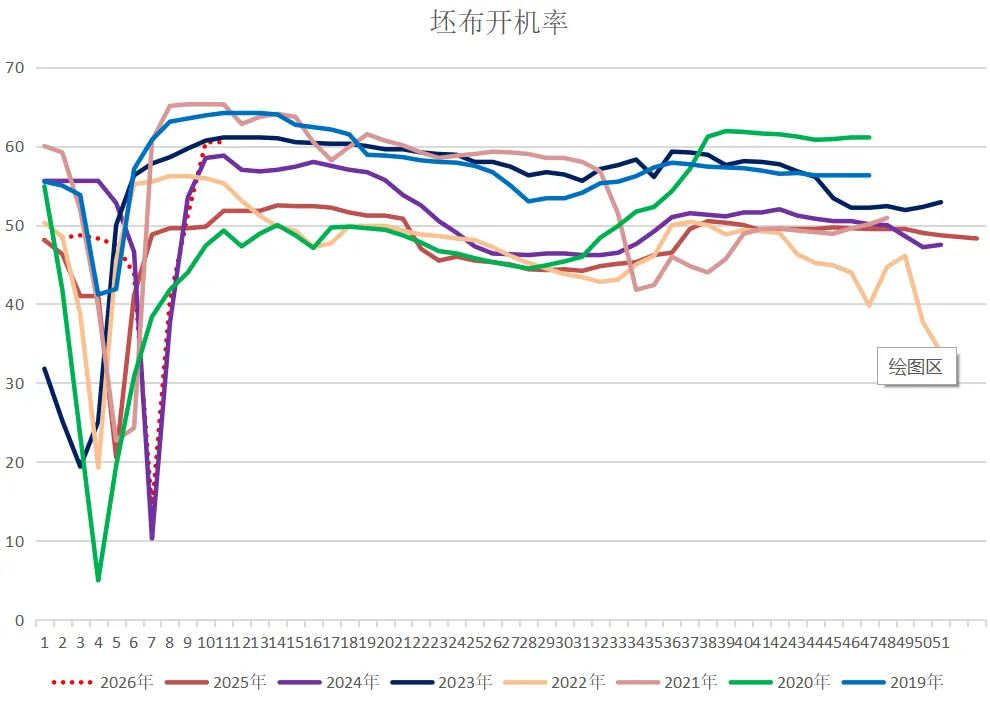
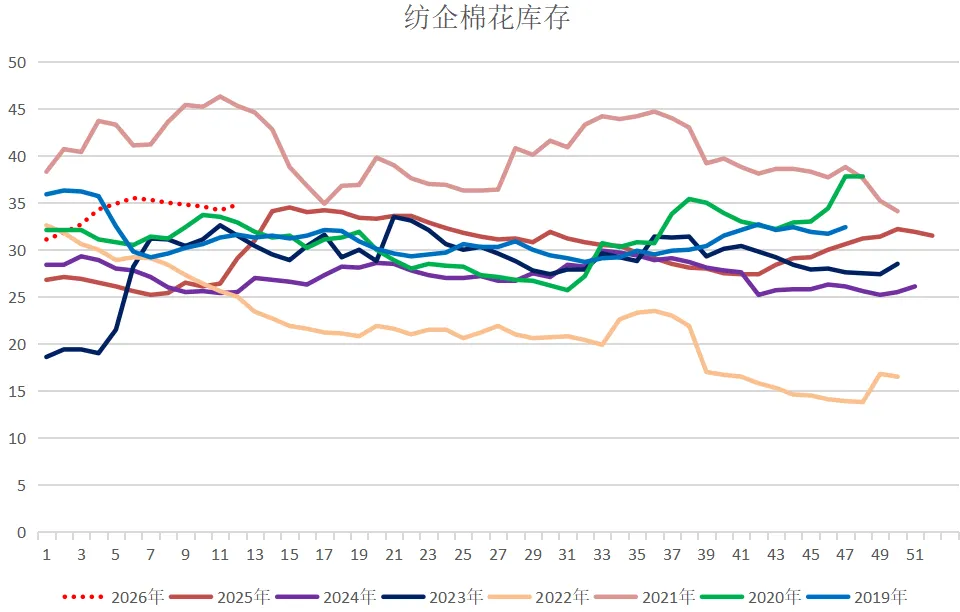
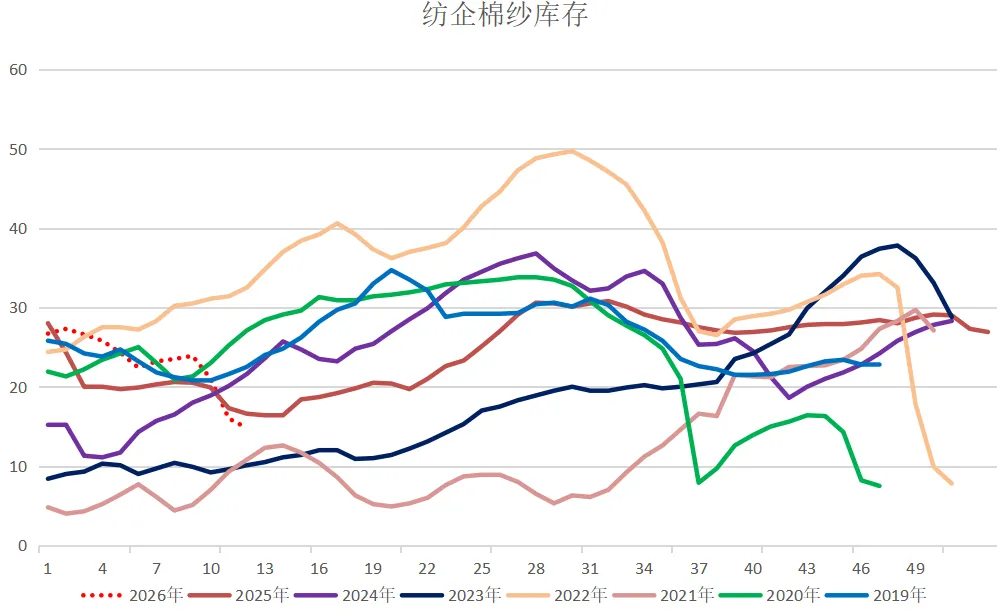
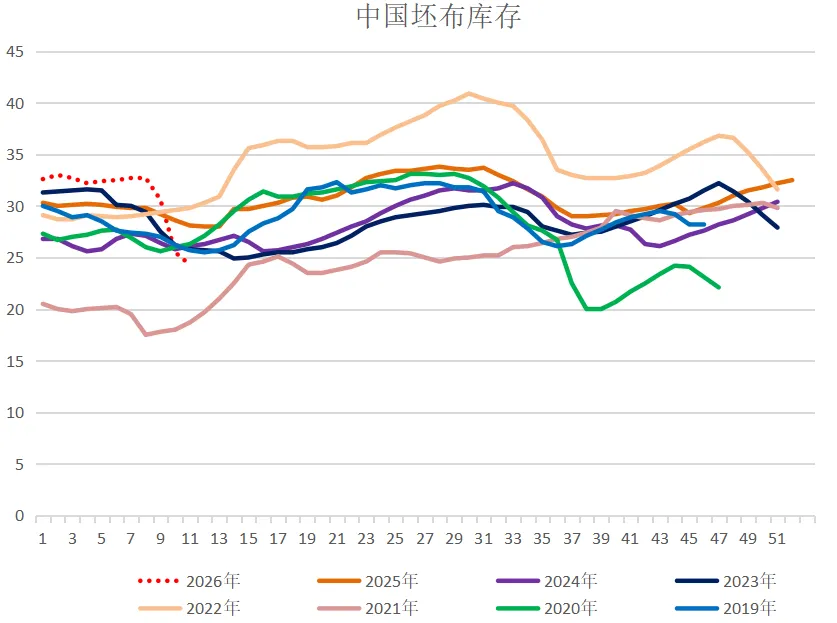
Overall,ViewEarly signs of macro recession expectations have emerged, and the additional sliding-scale tariff quotas have temporarily pressured the market. Nevertheless, the Golden March peak season is largely confirmed, with a significant warm-up in downstream production and sales, and active restocking by spinning enterprises on price declines. Supported by expectations of a tight global balance and favorable planting policies, cotton still has upside potential after short-term adjustments. Zheng cotton is expected to fluctuate within a range of 15,000–15,800 this week with a bullish bias; focus on buying opportunities on pullbacks.
Key Focus This Week
- Persistence of geopolitical conflicts in the Middle East
- Policies on Xinjiang cotton planting area for the new season
- End-use demand performance
Recommended for you
-
【Wdoodoo Weekly Cotton Report】Drought in U.S. cotton continues to intensify, with domestic demand closely monitored7844
-
【Wdoodoo Weekly Paper Industry Report】Pulp mills cut production to support pulp prices, while weak paper prices limit the upside5406
-
【Wdoodoo Weekly Cotton Report】Cotton: Drought fermentation in main production areas drives up cotton prices, while weak demand restricts space above7413
-
【Wdoodoo Weekly Paper Industry Report】Frequent shutdowns and production cuts in pulp mills, leading to a new high of rebound in pulp production6352
-
【Wdoodoo Weekly Cotton Report】There is a risk of a downturn in recent months, and attention should be paid to whether the demand side is taking over6948