
【Wdoodoo Weekly Cotton Report】Downstream Demand Provides Floor; Watch New-Crop Planting Intentions
April 3, 2026
WDD-Global
2058
Guide
Highlights at a glance
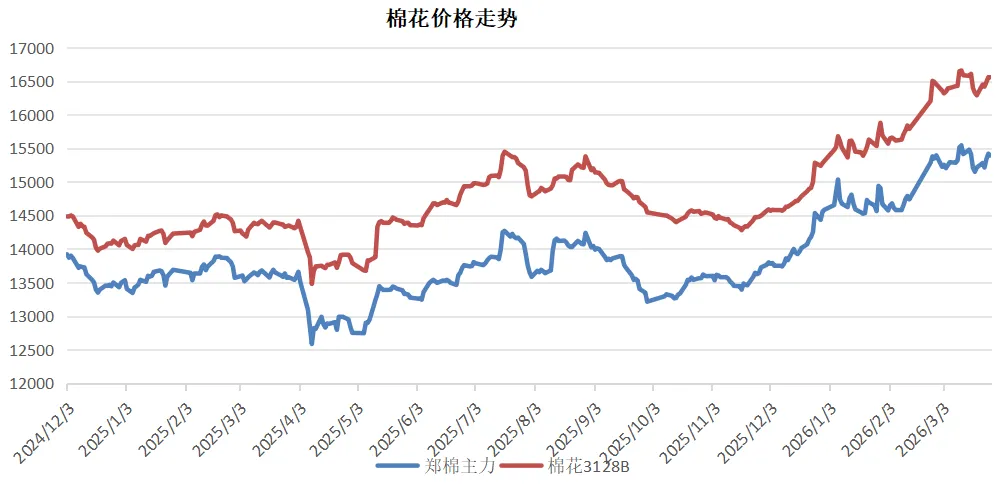
Zhengzhou cotton prices rose last week, with CF05 closing at 15,395 yuan/ton (+180) and grade 3128B at 16,560 yuan/ton (+270), driven by confirmed “Golden March” peak-season demand, robust textile orders, and bullish planting policy expectations. Despite near-term pressures from elevated Middle East geopolitical risks—disrupting energy, shipping, and fertilizer supplies—and rising port inventories amid new import quotas, strong downstream restocking activity around 15,000 yuan/ton and accelerating finished-goods destocking underpin price resilience. With U.S., Indian, and Brazilian planting underway and China’s target price subsidy policy pending, acreage reduction expectations persist. Cotton is forecast to trade bullishly between 15,000–15,800 yuan/ton this week, offering buying opportunities on dips. Key watchpoints: Middle East conflict evolution, Xinjiang planting policies, and end-demand strength.
Last week, Zhengzhou cotton oscillated upward. The CF05 contract closed at 15,395 yuan/ton, up 180 yuan/ton from the previous period. Cotton grade 3128B closed at 16,560 yuan/ton, up 270 yuan/ton from the previous period. Supported by confirmed peak-season demand and bullish expectations for planting policies, cotton prices resumed their upward trend after a periodic correction.
1. Middle East Tensions Risk Spiraling Out of Control, Prolonging Elevated Commodity Costs
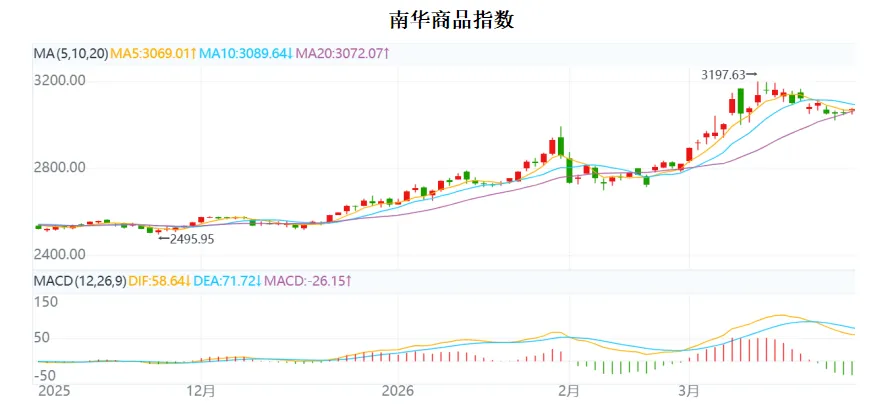
The Middle East remains in a state of fighting while negotiating, with the situation evolving toward prolonged confrontation and periodic escalations in intensity, continuously impacting crude oil production and shipping in the Persian Gulf. Given the repricing of war risk insurance and time lags in restoring shipping order, commodity costs are expected to stay elevated for an extended period. Energy and chemical-related commodities remain strong underpinned by costs, while industrial metals such as non-ferrous metals have diverged amid recession expectations.
2. New-Crop Planting Nears, Market Anticipates Acreage Reduction
The domestic-international cotton price spread remains relatively high, and port inventories continue to rise. Following the release of additional import quotas, the market is concerned that further state reserve cotton auctions will weigh on current cotton prices. The substantial increase in short-term market supply has capped cotton price performance.
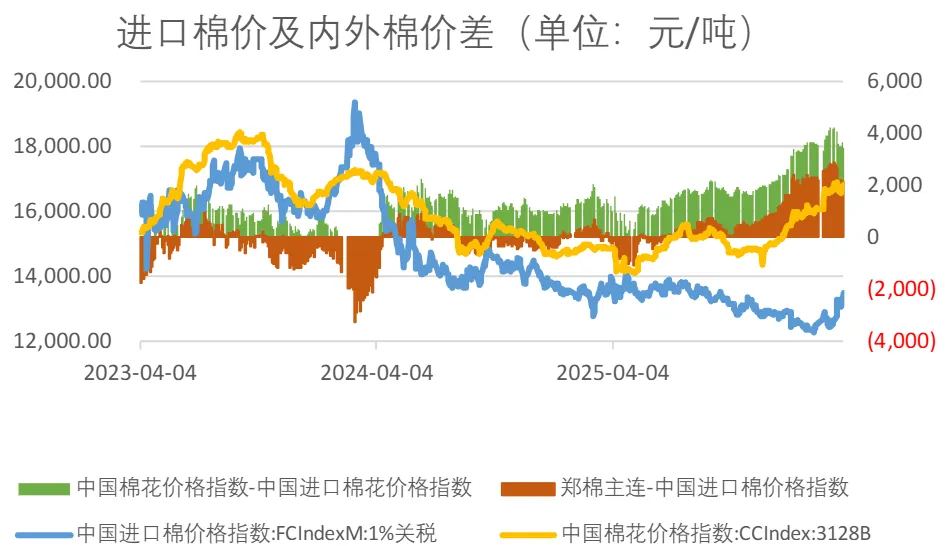
Nevertheless, the new annual planting season is approaching. China’s target price subsidy policy has yet to be finalized, and expectations of reduced new-crop planting area persist; attention will be paid to the actual implementation intensity of follow-up policies.
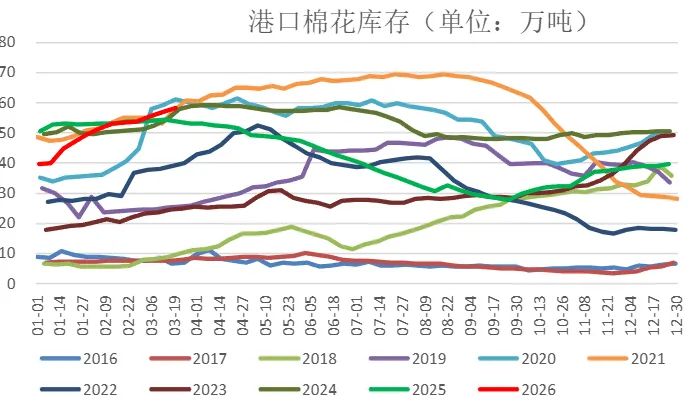
In addition, disruptions to fertilizer supplies caused by Middle East geopolitical tensions may affect new-crop cotton planting costs. With planting preparation underway in the U.S. and India and top-dressing in progress in Brazil, fluctuations in international new-crop planting intentions warrant close monitoring.
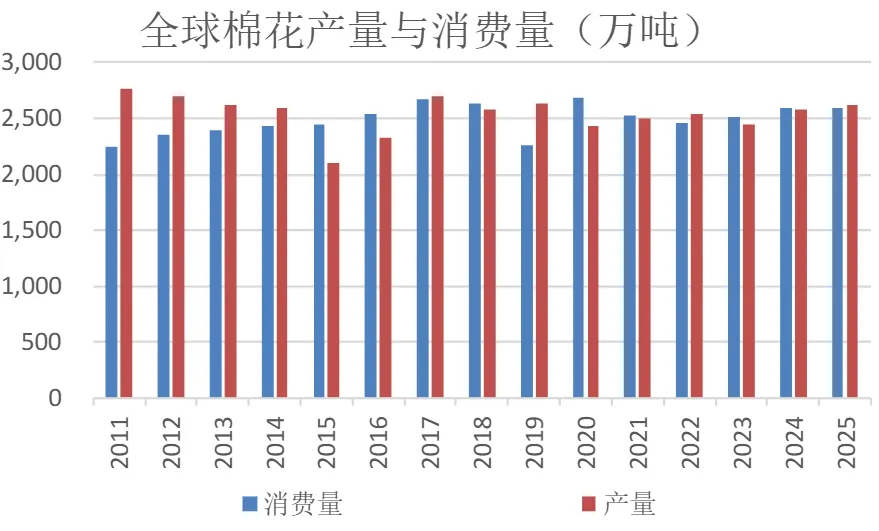
3. Golden March Peak Season Confirmed, Textile Enterprises Purchase Cotton on Dips
The fulfillment of the traditional "Golden March, Silver April" textile peak season has exceeded expectations. Firm yarn prices have supported spinning profits, with textile mills boasting healthy order schedules—most having orders lined up through April and May, indicating strong short-term demand resilience. Finished goods inventory destocking has accelerated faster than anticipated, and rigid restocking demand for raw materials has formed strong bottom support for cotton prices.
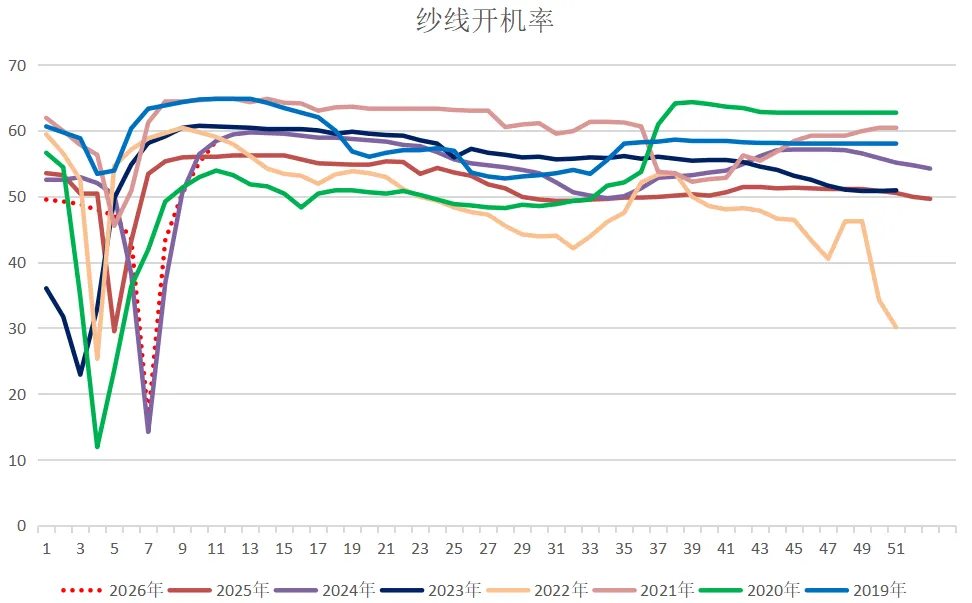
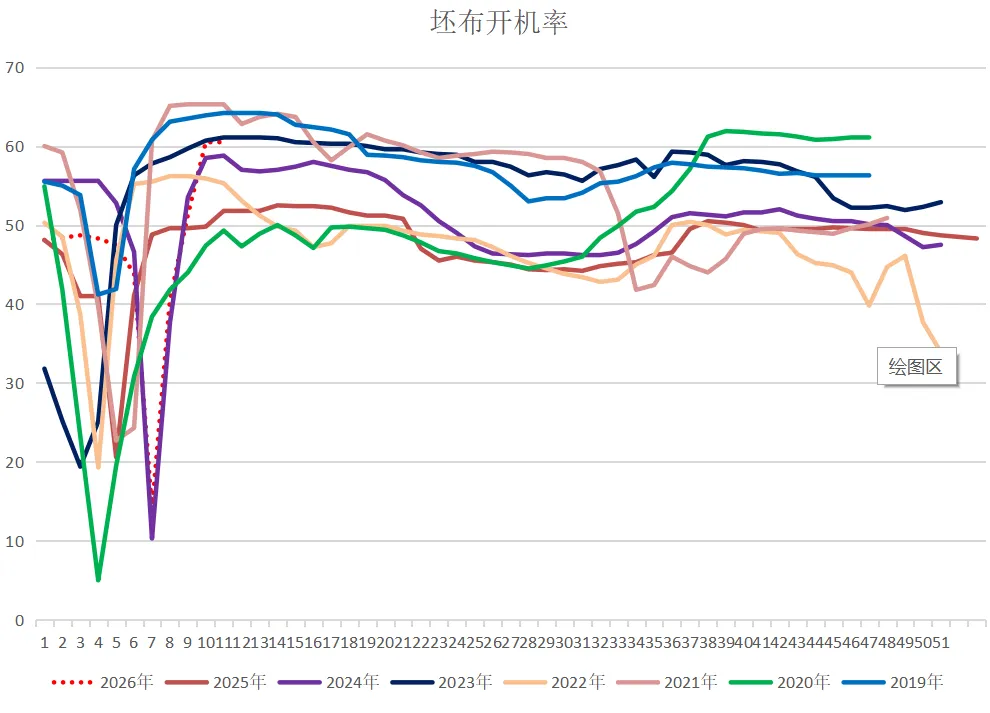
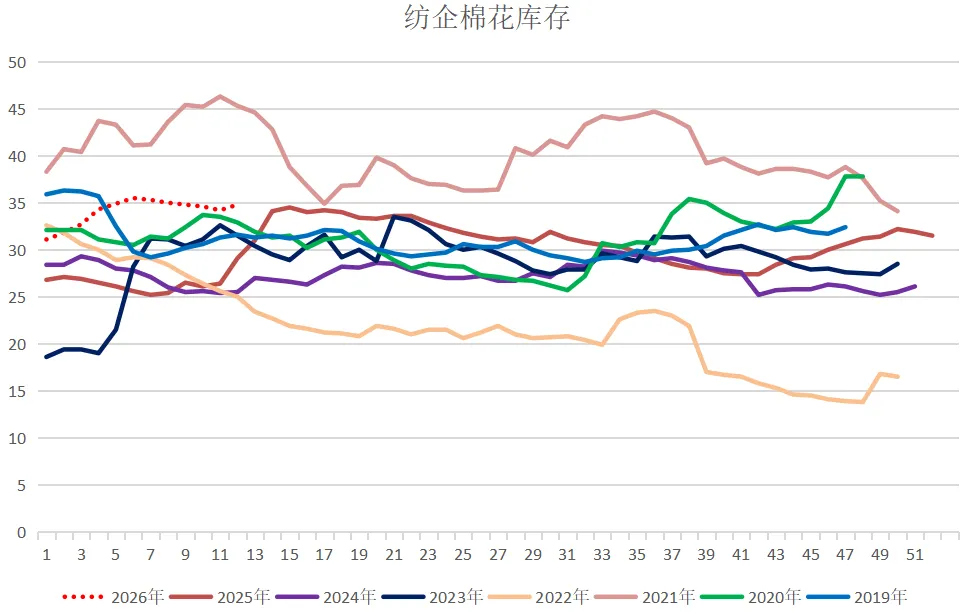
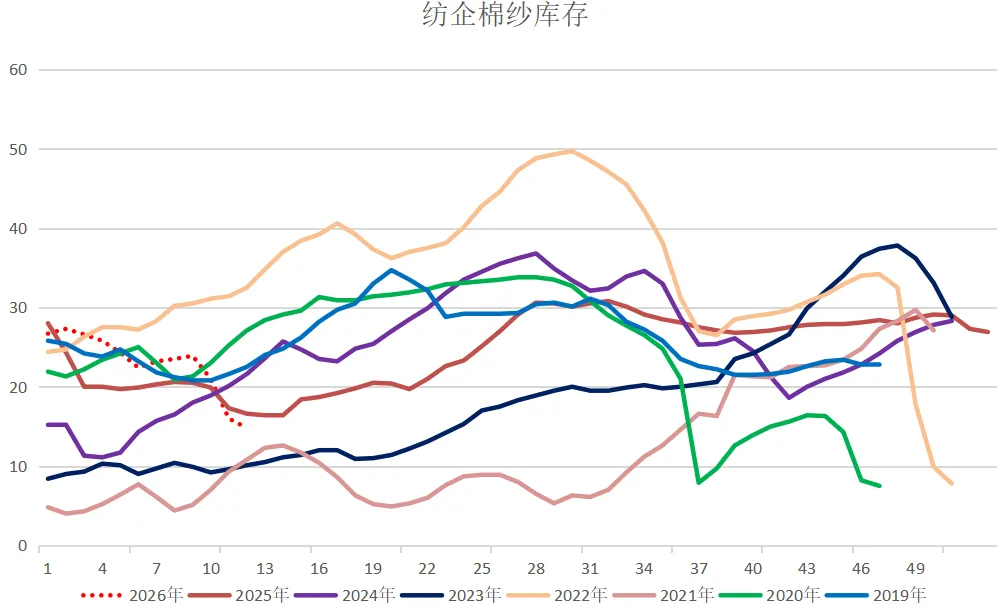
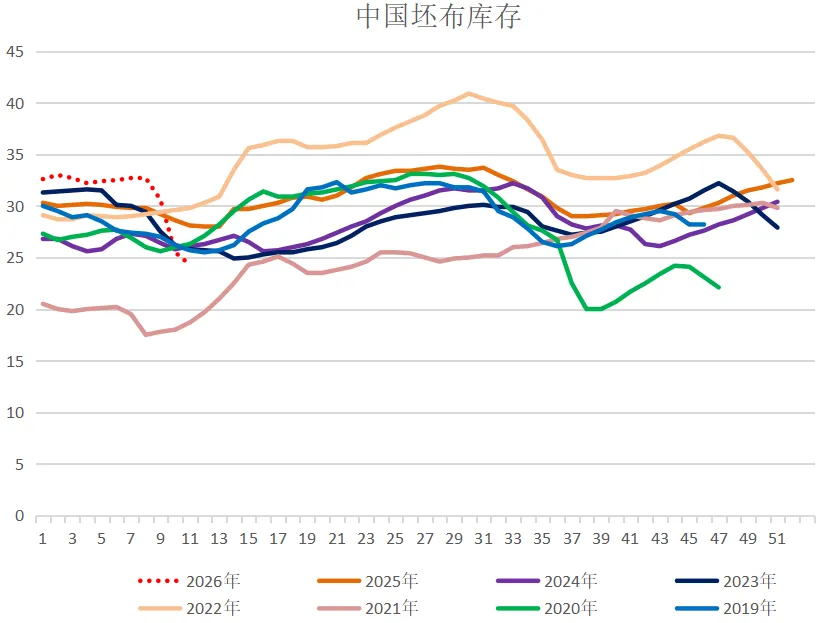
Following the earlier pullback in cotton futures and spot prices, downstream inquiries for cotton raw materials and overall market activity have improved notably, with enterprises conducting extensive fixed-price purchases around the 15,000 yuan/ton level. However, the April peak season will gradually wind down, with expectations of marginal weakening in demand.
Overall, nascent signs of global macroeconomic recession have emerged, and the additional sliding-scale tariff quotas have temporarily pressured the market. Yet the Golden March peak season is largely confirmed, featuring strong short-term demand resilience and active restocking by textile enterprises on dips. Supported by expectations of a tight global balance and favorable planting policies, cotton is expected to retain upside potential after short-term adjustments. Zhengzhou cotton is forecast to trade with a bullish bias in the range of 15,000–15,800 yuan/ton this week, with opportunities to buy on pullbacks.
Key Focus This Week
Persistence of geopolitical conflicts in the Middle East
Policies regarding Xinjiang cotton planting area for the new season
End-demand performance
Recommended for you
-
【Wdoodoo Weekly Cotton Report】Drought in U.S. cotton continues to intensify, with domestic demand closely monitored7844
-
【Wdoodoo Weekly Paper Industry Report】Pulp mills cut production to support pulp prices, while weak paper prices limit the upside5406
-
【Wdoodoo Weekly Cotton Report】Cotton: Drought fermentation in main production areas drives up cotton prices, while weak demand restricts space above7413
-
【Wdoodoo Weekly Paper Industry Report】Frequent shutdowns and production cuts in pulp mills, leading to a new high of rebound in pulp production6352
-
【Wdoodoo Weekly Cotton Report】There is a risk of a downturn in recent months, and attention should be paid to whether the demand side is taking over6948