
【Wdoodoo Weekly Cotton Report】Bearish macro factors weigh on the market while industrial drivers remain weak, with cotton testing its downside support levels.
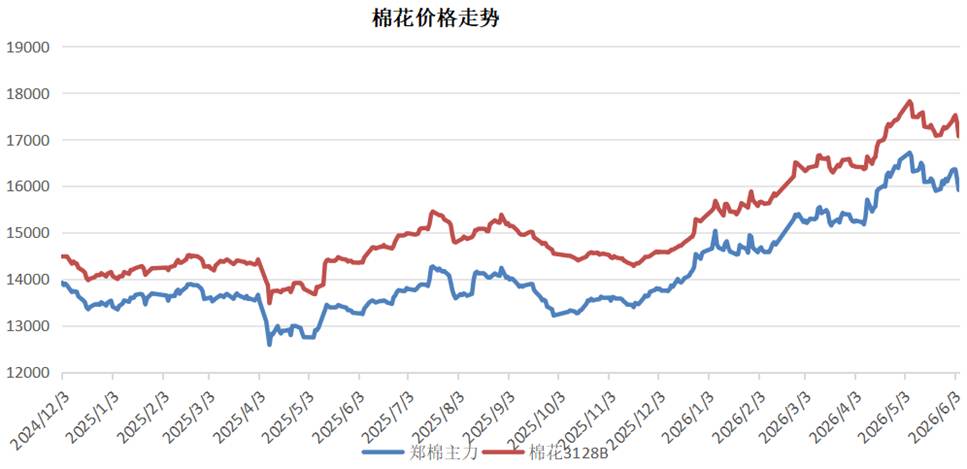
Cotton surged then retreated last week. The settlement price of CF09 stood at RMB 15,915 per ton, down RMB 185 per ton week on week. Cotton 3128B closed at RMB 17,070 per ton, falling RMB 190 per ton from the prior period. Market pressure came from growing expectations of Fed rate hikes, renewed tariff measures, continued improvement of drought conditions in the US cotton belt, and the domestic off-season. India’s temporary removal of cotton import tariffs offered only modest short-term positives, failing to reverse the overall bearish trend.
1. Bearish macro pressure prevails; commodity index moves sideways
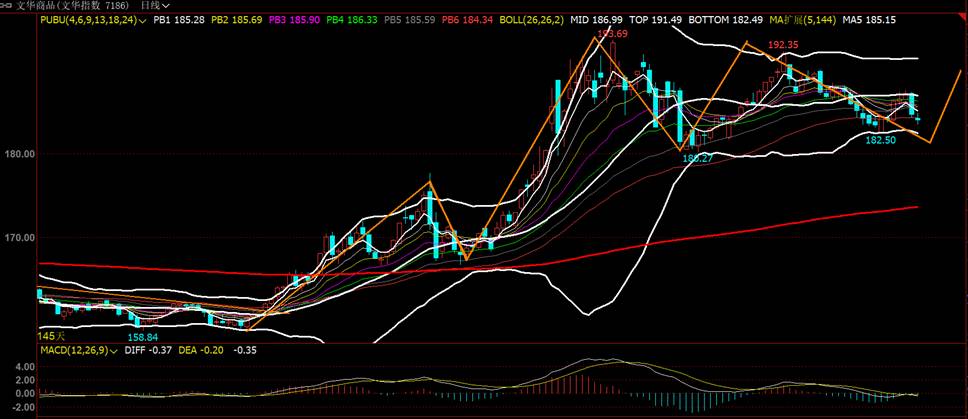
U.S. May non-farm payrolls and PMI data both exceeded market expectations, pushing the probability of a Fed rate hike within the year to 70%. Last Tuesday, the U.S. unveiled plans to impose an additional tariff of around 10% on goods from 60 economies. A stronger U.S. dollar weighed across commodities. While geopolitical tensions in the Middle East eased, U.S.-Iran peace talks remained uncertain. Shipping volume in key waterways stayed low, leaving energy prices prone to volatility. The Wenhua Commodity Index traded sideways amid divergent market views, with long capital continuing to exit.
2. U.S. drought eases further; supply and demand in India remain uncertain
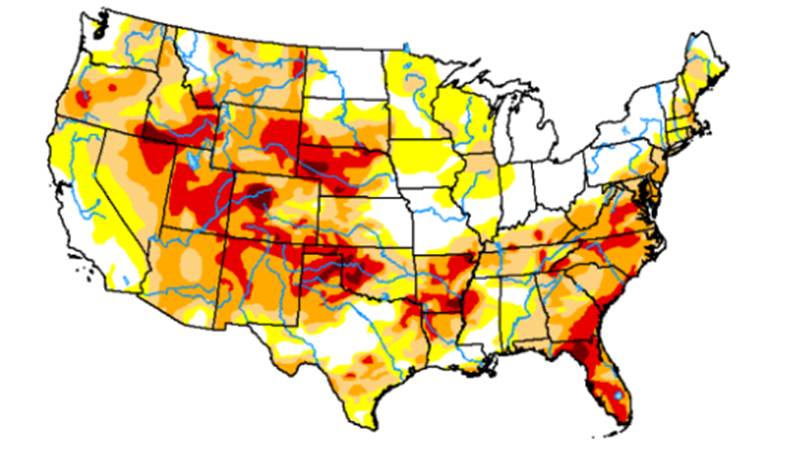
Weather-related bullish sentiment faded, triggering outflows of long positions. As of June 2, the U.S. major cotton growing regions posted a Drought Index of 180, down 28 month on month and up 95 year on year. The Drought Index for Texas came in at 168, a month-on-month drop of 20 and a year-on-year rise of 31.
Meanwhile, the arrival of monsoon in India was 4 days later than last year. The potential El Niño effect may adversely impact cotton yield in the new season, which requires close monitoring. Previously, the Indian government announced a temporary removal of cotton import tariffs from June to October to boost raw material supply and ease cost pressures, lending short-term support to U.S. cotton exports.
3. Domestic market enters traditional off-season
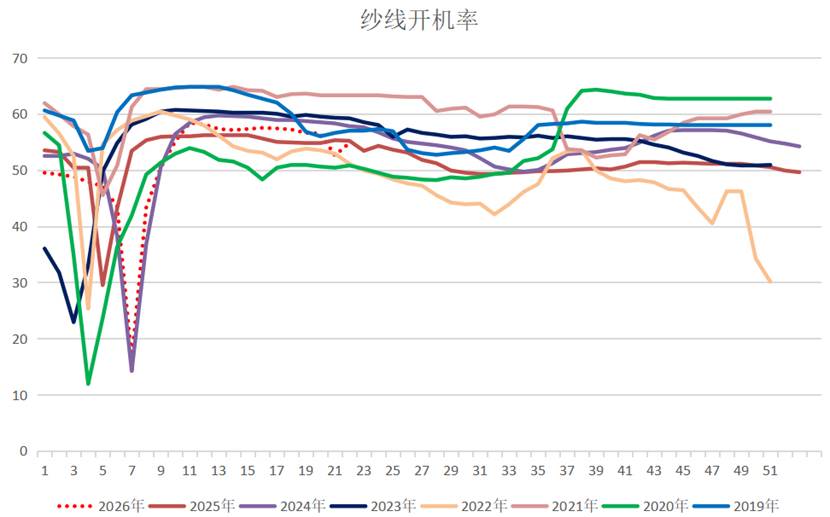
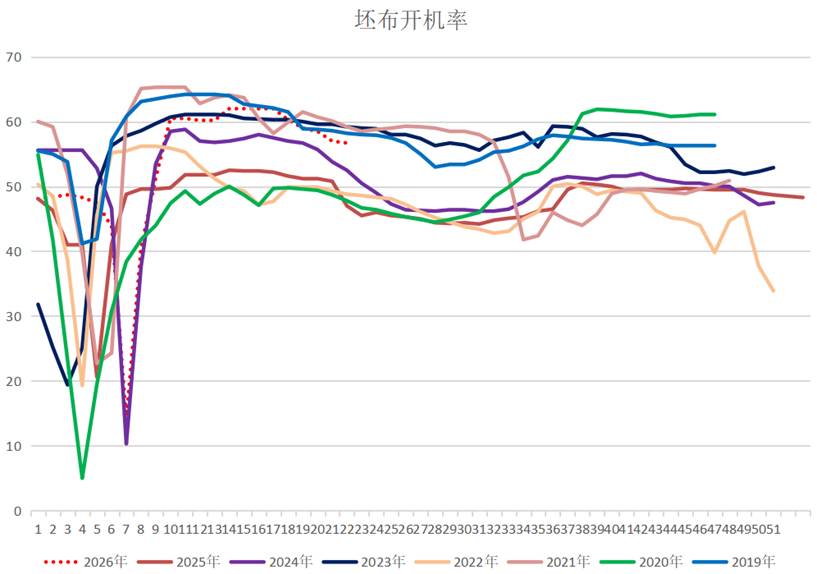
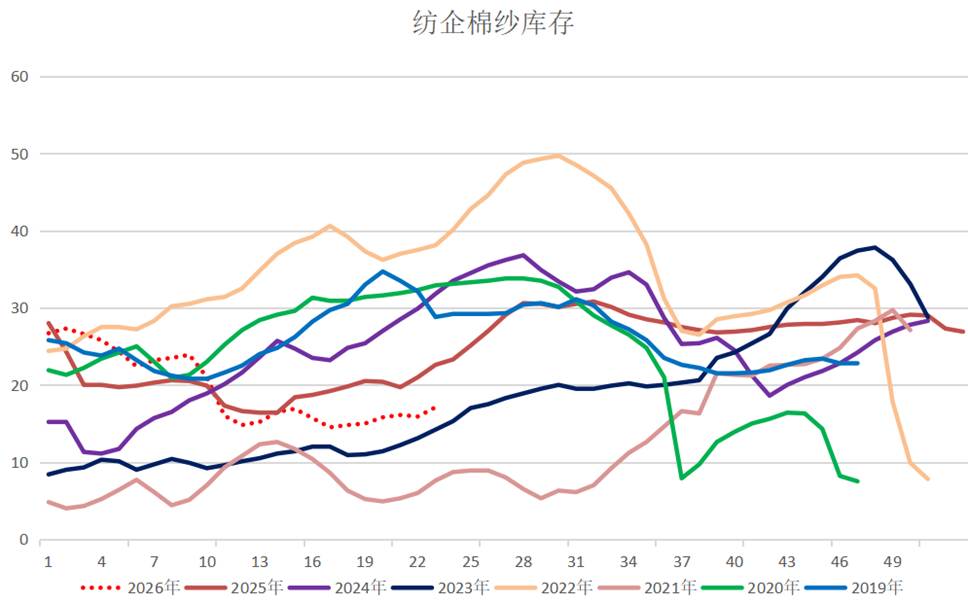
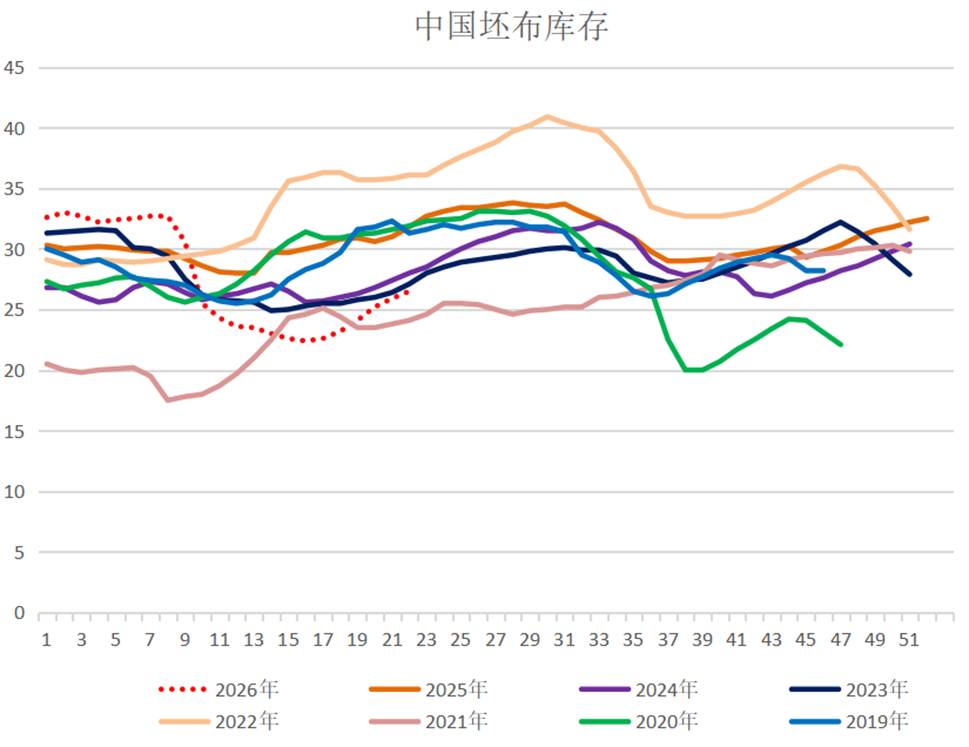
The overall operating rate of yarn mills edged up slightly last week, while the operating rate of grey cotton fabric kept declining. Inventories of cotton, cotton yarn and polyester blended fabrics all built up. The market showed typical off-season features: spinning mills faced squeezed profit margins and sluggish orders. Nevertheless, finished goods inventories remained relatively low overall, and operating rates of Xinjiang spinning mills stayed steady. Many mills placed buying orders around the price level of RMB 15,800 per ton on dips. The industrial chain remains sound with no downward demand feedback emerging yet.
Overall OutlookRenewed U.S. tariffs and rising rate hike odds, combined with improving drought in the U.S. cotton belt and the domestic traditional off-season featuring inventory accumulation and weak orders, have kept Zheng cotton in a weak range. In the short run, the price will test support near RMB 15,800 per ton, with resistance at RMB 16,300 per ton. With limited bullish catalysts, investors are advised to stay on the sidelines or conduct light range-bound two-way trading.
Key Monitoring Points This Week
1.Developments of geopolitical conflicts in the Middle East
2.Changes in drought conditions across the U.S. cotton belt
3.Performance of end-user demand
-
【Wdoodoo Weekly Cotton Report】Drought in U.S. cotton continues to intensify, with domestic demand closely monitored7844
-
【Wdoodoo Weekly Paper Industry Report】Pulp mills cut production to support pulp prices, while weak paper prices limit the upside5406
-
【Wdoodoo Weekly Cotton Report】Cotton: Drought fermentation in main production areas drives up cotton prices, while weak demand restricts space above7413
-
【Wdoodoo Weekly Paper Industry Report】Frequent shutdowns and production cuts in pulp mills, leading to a new high of rebound in pulp production6352
-
【Wdoodoo Weekly Cotton Report】There is a risk of a downturn in recent months, and attention should be paid to whether the demand side is taking over6948